TL;DR:
- Recovery after plastic surgery requires careful wound care, proper hydration, and adequate rest to ensure optimal results. Overexertion and neglecting surgeon-specific instructions increase the risk of complications and delayed healing. Consistent use of compression garments and open communication with your clinical team are essential for a smooth recovery process.
Recovery after plastic surgery is not simply a matter of waiting for time to pass. The decisions you make in the days and weeks after your procedure directly shape your results. Whether you are preparing for an operation or already in the thick of post-operative care, having the right London plastic surgery recovery tips to hand can mean the difference between a smooth healing process and avoidable complications. This guide draws on expert clinical knowledge and NHS-backed guidance to give you practical, specific advice you can act on today.
Table of Contents
- Key takeaways
- 1. London plastic surgery recovery tips start with wound care
- 2. Nutrition and hydration as recovery tools
- 3. Managing physical activity and protecting the surgical site
- 4. Common mistakes to avoid during recovery
- 5. Recovery dos and don’ts: a quick reference
- My perspective on recovery after plastic surgery in London
- Expert recovery support from Professor Sandip Hindocha
- FAQ
Key takeaways
| Point | Details |
|---|---|
| Wound care is non-negotiable | Follow your surgeon’s dressing and hygiene instructions precisely to prevent infection and scarring. |
| Hydration and nutrition accelerate healing | Drinking 2 to 3 litres of water daily and eating protein-rich foods supports tissue repair. |
| Rest is a clinical requirement | A restful, low-stress environment is not optional. It is part of your recovery programme. |
| Compression garments reduce complications | Wearing them as directed controls swelling and supports healing tissues, especially after liposuction. |
| Generic advice can mislead | Always follow your surgeon’s personalised instructions over anything you read online, including this article. |
1. London plastic surgery recovery tips start with wound care
Your wound is the most vulnerable part of your body in the days after surgery. Getting this right is the single most important thing you can do. University Hospitals of Leicester NHS Trust provides clear wound-care guidance for day surgery patients, and the principles apply directly to cosmetic and plastic surgery recovery.
The core of good wound care comes down to a few non-negotiable habits:
- Keep the wound covered with a sterile dressing at all times until your surgeon advises otherwise
- Change dressings every 24 to 48 hours when it is safe to do so, to maintain a clean healing environment
- Use waterproof or sensitive dressings if showering is permitted, to prevent moisture from reaching the wound
- Monitor the wound daily for signs of infection: increasing redness, warmth, swelling, unusual discharge, or a fever above 38°C
- Wash your hands thoroughly before and after touching the wound or dressing
One detail that catches many patients out is the showering protocol. Your surgeon will give you specific instructions about when and how you can shower. These instructions override anything you find on a general website. Strict adherence to personalised protocols is critical because generic advice can sometimes conflict with what your individual wound actually needs, risking delayed healing or infection.
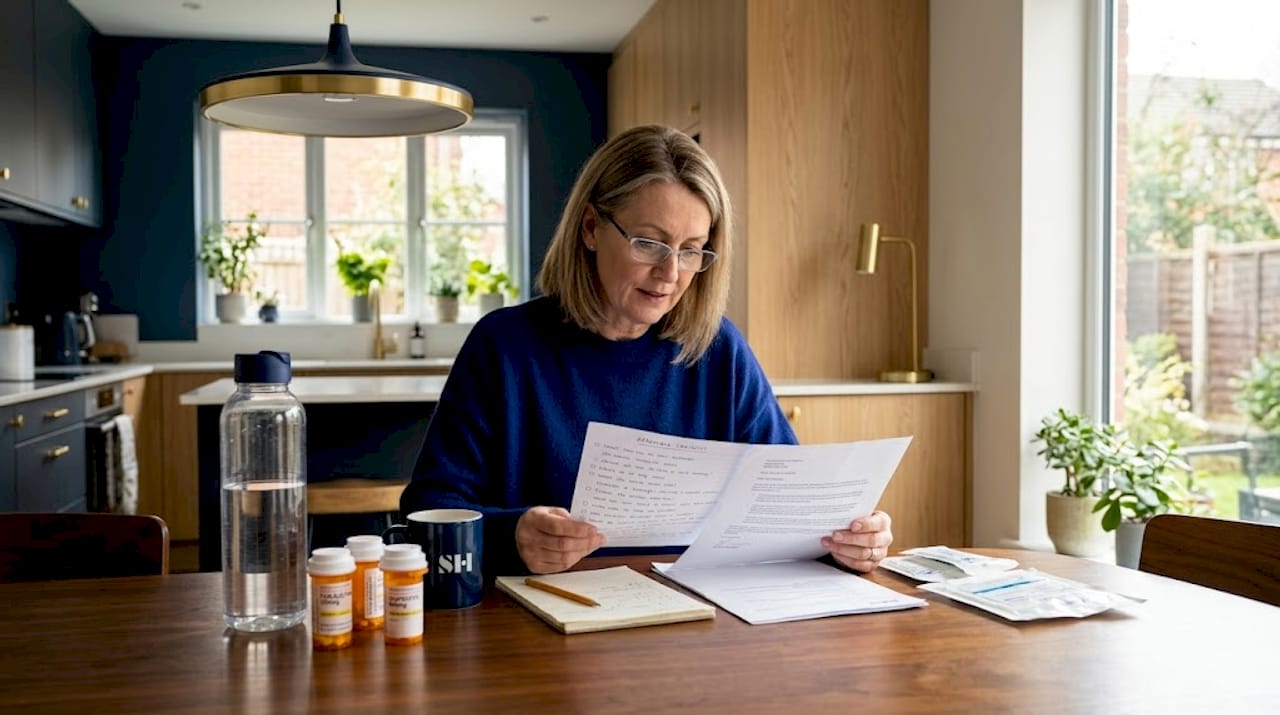
Pro Tip: Keep a small wound-care kit by your bed or bathroom: sterile gloves, the correct dressings, saline solution, and a disposal bag. Having everything in one place makes it far less likely you will skip a dressing change.
Poor wound care is directly linked to delayed tissue repair, higher infection rates, and worse scarring. It is one of the most controllable variables in your recovery, so treat it accordingly.
2. Nutrition and hydration as recovery tools
Most patients focus on rest and wound care but underestimate how much what they eat and drink affects healing speed. Your body is rebuilding tissue, which requires raw materials.
Drinking 2 to 3 litres of water daily supports circulation and the delivery of nutrients to healing tissue. Dehydration slows this process noticeably. In London, where busy routines can make it easy to forget to drink enough, setting reminders on your phone is a genuinely useful tactic.
From a nutritional standpoint, focus on:
- Protein: Chicken, fish, eggs, lentils, and Greek yoghurt all support collagen production and tissue repair
- Vitamin C: Found in citrus fruits, peppers, and broccoli, it is directly involved in wound healing
- Zinc: Present in nuts, seeds, and wholegrains, it supports immune function and cell repair
- Iron: Red meat, spinach, and fortified cereals help maintain oxygen delivery to healing tissue
Avoid alcohol in the weeks following surgery. It dehydrates you, interferes with medications, and impairs your immune response. The same applies to ultra-processed foods high in sugar, which can promote inflammation.
Pro Tip: Prepare a batch of high-protein meals before your surgery date and freeze them. Post-operative fatigue makes cooking difficult, and having nutritious food ready removes the temptation to rely on takeaways.

A restful environment with regulated sleep also reduces cortisol, the stress hormone that actively interferes with tissue repair. Sleep is not passive recovery. It is when the majority of cellular repair actually happens.
3. Managing physical activity and protecting the surgical site
The instinct to get back to normal quickly is understandable, but it is one of the most common causes of complications in plastic surgery aftercare in London. Overexertion in the first two weeks can pull on sutures, increase swelling, and reopen wounds.
Here is what the evidence-based approach looks like in practice:
- Week 1 to 2: Rest as much as possible. Short, gentle walks around the home are fine and actually help prevent blood clots. Avoid lifting anything heavier than a kettle.
- Week 2 to 4: Light activity such as slow walking outdoors is appropriate for most procedures. Avoid bending, straining, or any movement that puts tension on the surgical site.
- Week 4 to 6: Gradual return to light exercise, subject to your surgeon’s sign-off. No gym work, running, or contact sport.
- Beyond 6 weeks: Most patients can resume normal activity, but this varies significantly by procedure.
Compression garments control swelling and support healing tissues, particularly after body contouring procedures such as liposuction. Wearing them consistently, as directed, is not optional. Patients who skip or loosen their compression garments prematurely often experience prolonged swelling and uneven results.
Clothing choices matter too. Loose, soft fabrics that do not rub against the wound site reduce irritation. Avoid anything with tight waistbands, underwire, or seams that cross the surgical area. Zip-front tops or button-through shirts are practical choices for upper body procedures.
4. Common mistakes to avoid during recovery
Understanding what not to do is just as useful as knowing what to do. The following mistakes are the ones Professor Sandip Hindocha sees most frequently in patients who experience delayed recovery or complications.
- Showering too soon or incorrectly. Many patients assume a quick shower is harmless. If your wound is not yet ready for water exposure, even brief contact can introduce bacteria or soften the wound edges, delaying closure.
- Ignoring smoking cessation advice. Smoking delays wound healing and significantly increases the risk of infection and poor scarring. Patients who continue smoking after surgery are not simply taking a minor risk. They are actively working against the procedure they have paid for.
- Treating generic online advice as personalised guidance. Reading about plastic surgery aftercare London is useful for general orientation, but your surgeon’s specific instructions for your specific procedure and your specific anatomy always take precedence.
- Returning to work too quickly. London’s working culture can make patients feel pressure to get back to the office or resume a full schedule within days. Most procedures require at least one to two weeks away from work, and some considerably more.
- Not documenting your recovery. Taking daily photographs of your wound and keeping a simple log of symptoms helps you and your clinical team spot problems early. Many patients who later struggle to describe when a symptom started wish they had kept records.
- Neglecting follow-up appointments. Post-operative consultations are not just administrative. They are clinical checkpoints where your surgeon assesses healing, adjusts advice, and catches complications before they escalate.
5. Recovery dos and don’ts: a quick reference
The table below summarises the best recovery practices for plastic surgery across the key areas of post-operative care.
| Area | Do | Avoid |
|---|---|---|
| Wound care | Change dressings every 24 to 48 hours using sterile technique | Touching the wound with unwashed hands or using non-sterile materials |
| Hydration | Drink 2 to 3 litres of water daily | Alcohol, fizzy drinks, and excess caffeine |
| Nutrition | Prioritise protein, vitamin C, and zinc-rich foods | Ultra-processed foods, sugar, and crash dieting |
| Physical activity | Short gentle walks from day one to aid circulation | Strenuous exercise, lifting, and bending in the first four weeks |
| Compression garments | Wear as directed, especially after liposuction | Removing or loosening garments prematurely |
| Sleep and rest | Aim for 7 to 9 hours per night in a calm environment | Stress, late nights, and screen-heavy evenings before bed |
| Communication | Contact your surgeon promptly if anything concerns you | Self-diagnosing or waiting too long to raise concerns |
This table is a starting point. Your surgeon’s written post-operative instructions will always be the definitive reference for your individual recovery.
My perspective on recovery after plastic surgery in London
I have worked with hundreds of patients through their recovery journeys, and the pattern I see most often is this: the patients who do best are not the ones who follow every tip perfectly. They are the ones who communicate openly with their clinical team and ask questions when something feels off.
London patients face a specific challenge that patients elsewhere sometimes do not. The pace of life here creates a subtle pressure to recover quickly, return to work, and get back to social commitments. I have seen patients push themselves back into demanding routines far too early, not because they felt ready, but because they felt guilty about slowing down. That guilt has no place in a recovery plan.
The other thing I would say, which most articles on how to recover from surgery in London will not tell you, is that the emotional side of recovery is real and often underestimated. Swelling, bruising, and temporary asymmetry in the first weeks can be distressing. Patients sometimes contact me worried that something has gone wrong when what they are experiencing is entirely normal. This is why I always encourage patients to look at myths and realities in cosmetic surgery before their procedure, so they have realistic expectations going in.
The best recovery advice I can give is deceptively simple: follow your instructions, rest without guilt, eat well, and stay in contact with your surgeon. The results you are hoping for are built in the recovery period, not just in the operating theatre.
— Sandip
Expert recovery support from Professor Sandip Hindocha
Knowing the right London cosmetic surgery recovery advice is one thing. Having an experienced clinical team to guide you through it personally is another.
Professor Sandip Hindocha offers a patient-focused approach to plastic surgery in London that does not stop at the operating table. Post-operative consultations, wound care guidance, compression garment advice, and personalised recovery planning are all part of the care package. For patients considering or recovering from liposuction, specialist advice on managing swelling and wearing compression garments correctly is available from the outset.
If you have questions about your recovery or want to discuss your surgical options with a consultant who prioritises long-term outcomes, get in touch with the team at sandiphindocha.co.uk to book a consultation.
FAQ
How long does recovery from plastic surgery take in London?
Recovery time varies by procedure, but most patients need one to two weeks away from work and four to six weeks before returning to strenuous activity. Your surgeon will give you a personalised timeline based on the specific operation.
What are the signs of infection after plastic surgery?
Watch for increasing redness, warmth, swelling, unusual discharge, or a fever above 38°C. Contact your surgeon promptly if any of these appear, as early treatment prevents serious complications.
Can I shower after plastic surgery?
You can shower once your surgeon confirms it is safe for your specific wound. Waterproof dressings can protect the wound during showering, but always follow your surgeon’s instructions rather than general guidance.
Does smoking affect plastic surgery recovery?
Yes, significantly. Smoking delays healing and increases the risk of infection, poor scarring, and surgical complications. Surgeons typically advise stopping smoking several weeks before and after any procedure.
Do I need to wear a compression garment after surgery?
For many body contouring procedures, yes. Compression garments reduce swelling and support healing tissues. Your surgeon will advise whether you need one, which type, and how long to wear it.