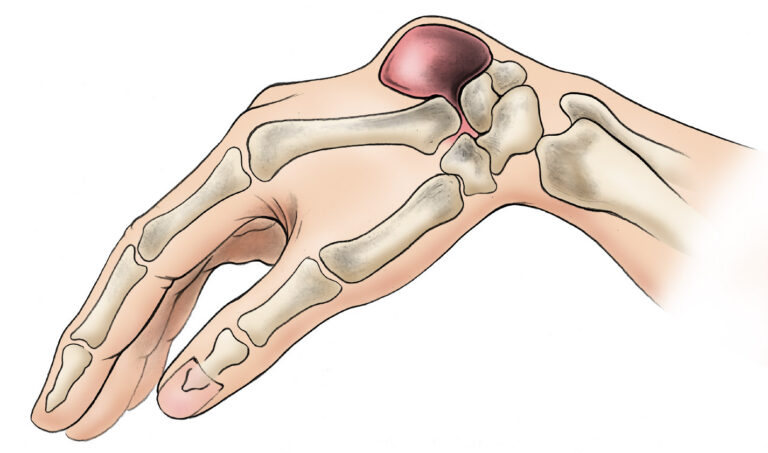
Carpal tunnel syndrome is caused by pressure on the median nerve at the wrist, producing tingling, numbness and pain in the hand. It is common and very treatable, with surgery offering reliable relief when simpler measures are not enough.
Symptoms
Typical signs include numbness or pins and needles in the thumb, index and middle fingers, pain that may wake you at night, weakness of grip and clumsiness. Symptoms often build gradually and can affect daily tasks.
Non-surgical treatment
Early or mild cases may improve with wrist splints (especially at night), activity changes and sometimes a steroid injection to reduce inflammation around the nerve.
Carpal tunnel surgery
When symptoms persist or the nerve is significantly compressed, carpal tunnel release relieves the pressure through a small incision in the palm. It is usually a short procedure under local anaesthetic, and many patients notice rapid relief of night-time symptoms.
Recovery
The hand is used gently from early on, with stitches removed after about two weeks. Heavy gripping and lifting are avoided for several weeks. Tingling often eases quickly, while strength returns over a few months. Acting before the nerve is severely affected gives the best recovery. Learn more on our hand surgery page or book a consultation.
Frequently Asked Questions
Do I need surgery for carpal tunnel syndrome?
Not always. Mild cases may improve with night splints, activity changes or a steroid injection. Surgery is recommended when symptoms persist or the nerve is significantly compressed.
Is carpal tunnel surgery painful?
It is usually a short procedure under local anaesthetic with little pain. Many patients notice rapid relief of night-time tingling soon afterwards.
How long is recovery after carpal tunnel release?
The hand is used gently from early on, stitches come out at around two weeks, and heavy gripping is avoided for several weeks. Grip strength returns over a few months.
Will the symptoms come back?
Carpal tunnel release is usually a lasting solution. Treating it before the nerve is severely affected gives the most complete recovery.
This article is general information and not a substitute for individual medical advice. Results vary between patients and all surgery carries risks. Always discuss your circumstances with a GMC-registered consultant surgeon.