Breast augmentation can be achieved in two very different ways: with breast implants, or by transferring your own fat. Both can increase volume and improve shape, but they suit different goals, body types and expectations. Understanding the trade-offs helps you have a more productive conversation at your consultation.
How implant augmentation works
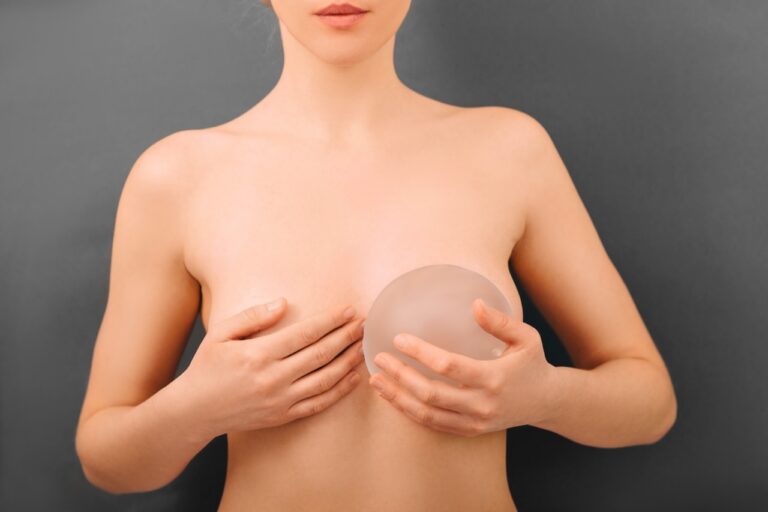
In implant-based augmentation, a silicone or saline implant is placed either behind the breast tissue or beneath the chest muscle. Implants offer a predictable, often more significant increase in size and are the right choice for patients who want a clear change in volume or more upper-pole fullness.
How fat transfer works
Fat transfer (lipo-filling) uses liposuction to harvest fat from areas such as the abdomen or thighs, which is then purified and injected into the breasts. It gives a natural feel and a modest, subtle increase, with the bonus of contouring the donor area. Not all of the transferred fat survives, so results are more conservative and may need a second session.
Comparing the two approaches
- Size change: implants allow larger, more defined increases; fat transfer suits one to one-and-a-half cup sizes at most.
- Feel and appearance: fat transfer feels entirely natural; modern implants can also look natural when correctly sized and placed.
- Recovery: fat transfer involves two surgical sites but usually a gentler chest recovery; implants involve a single site.
- Longevity: implants are not lifetime devices and may need exchange; surviving transferred fat is permanent, though weight changes affect it.
Which option suits you?
Patients wanting a noticeable size increase or more projection generally choose implants. Those prioritising a natural feel, a subtle result and donor-area slimming may prefer fat transfer, provided they have enough fat to harvest. Many factors — breast shape, skin quality, lifestyle and goals — feed into the decision, which is why this is assessed individually. Explore all options on our breast surgery page.
Frequently Asked Questions
Is fat transfer safer than breast implants?
Both are established procedures with good safety records when performed by an experienced consultant. Fat transfer avoids an implant but involves two surgical sites; implants carry device-specific considerations. Suitability is assessed individually.
How much bigger can fat transfer make my breasts?
Fat transfer typically achieves a modest increase of around one cup size per session, because a proportion of the transferred fat is naturally reabsorbed. A second session is sometimes used to build on the result.
Do breast implants need to be replaced?
Implants are not designed to last a lifetime. Many patients eventually consider an exchange, though there is no fixed expiry date. Regular review helps monitor them over time.
Which option gives the most natural result?
Fat transfer uses your own tissue and feels very natural, but the change is subtle. Correctly sized and positioned implants can also look natural while offering a greater increase in size.
This article is general information and not a substitute for individual medical advice. Results vary between patients and all surgery carries risks. Always discuss your circumstances with a GMC-registered consultant plastic surgeon.