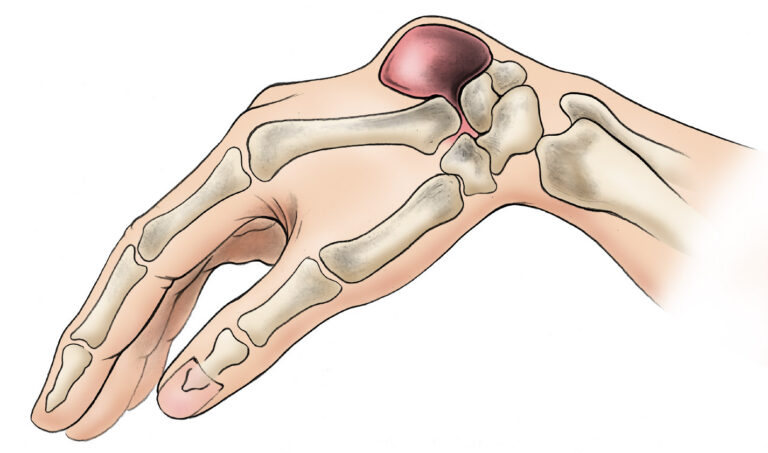
FUPA fat, short for fat upper pubic area, is the pocket of fat that sits just above the pubic bone and often doesn’t respond to diet or exercise the way people expect. It’s extremely common, and genetics plays the biggest role in whether it shows up at all, not fitness level or effort. Prof. Sandip Hindocha, a GMC-registered plastic surgeon and member of BAAPS and BAPRAS, explains what genuinely helps and when surgery becomes a realistic option.
TL;DR: diet and exercise reduce fat across the whole body but can’t be aimed at the mons pubis specifically, so fat in this area can persist even at a healthy weight. Non-surgical treatments can help with smaller, stubborn pockets. Liposuction or a monsplasty (pubic lift) are the options when there’s more noticeable fat, or loose skin, in the area. Which one suits you depends on how much fat is present and whether skin laxity is a factor too.
What Causes FUPA Fat
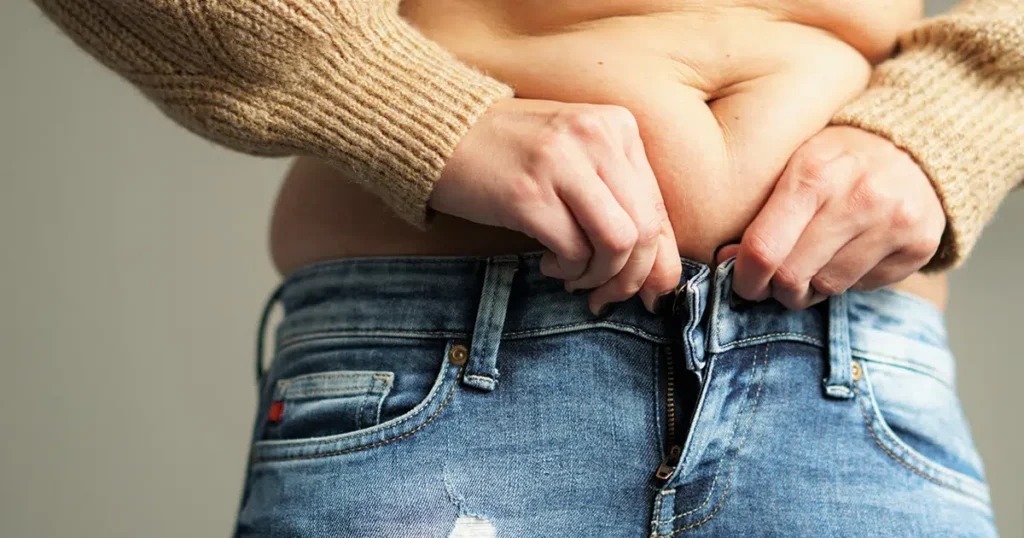
The mons pubis is a naturally fatty area, and how much fat it holds is determined mostly by genetics rather than lifestyle. Some people store noticeably more fat there than elsewhere on the body, regardless of their overall weight or fitness.
Pregnancy, hormonal changes and conditions such as polycystic ovary syndrome can add to fat storage in this area too. Significant weight gain or loss, and normal ageing, play a part as well, since skin loses some elasticity over time.
Can You Get Rid of FUPA Fat With Diet and Exercise Alone
Not through targeted exercise, no. Core and lower-ab exercises strengthen the muscle in that area, but they don’t preferentially burn the fat sitting on top of it, in the same way sit-ups don’t specifically target belly fat.
This lines up with the wider evidence on spot reduction. A review of the available research found no evidence that exercising one part of the body preferentially burns fat from that same spot rather than from the body as a whole. The same principle is behind why love handles are so hard to shift through exercise alone too.
A calorie deficit combined with regular activity does reduce fat across the whole body, and for some people that eventually includes the mons pubis. But it’s commonly one of the last areas to respond, and for anyone with a genetic tendency to store fat there, it may not fully resolve even at a stable, healthy weight.
Non-Surgical Options for This Area
For smaller, stubborn pockets of fat, non-surgical treatments such as fat-freezing (cryolipolysis) or radiofrequency can produce a gradual, modest reduction. These suit people who are already close to their goal weight, with one area left that hasn’t shifted.
They don’t remove fat as completely or as quickly as surgery, and results build up over several weeks rather than appearing immediately. Our guide to liposuction versus non-surgical fat reduction explains how the two compare and which patients tend to suit each approach.
Surgical Options, Liposuction and a Monsplasty

Liposuction removes fat directly from the mons pubis through small incisions, without addressing any loose skin. It suits people who have excess fat but reasonably good skin quality in the area.
Where there’s also excess skin, usually after pregnancy or significant weight loss, a monsplasty (sometimes called a pubic lift) removes fat and tightens the skin at the same time. Cleveland Clinic’s overview of monsplasty covers what the procedure involves and its usual recovery in more detail.
Our Liposuction service page covers candidacy and what to expect for the procedure generally. The right choice between the two is something to discuss properly at consultation, since it depends on your individual anatomy.
| Option | What It Addresses | Typical Downtime | Best Suited To |
|---|---|---|---|
| Non-surgical (fat-freezing/RF) | Small amounts of fat | None to minimal | Stubborn pockets close to goal weight |
| Liposuction | Fat only | A few days to two weeks | Good skin quality, isolated fat |
| Monsplasty (pubic lift) | Fat and excess skin | Several weeks | Loose skin after pregnancy or weight loss |
What Affects the Cost of Treatment
Cost depends on which procedure is right for you, whether it’s combined with another procedure such as a tummy tuck, the surgeon’s experience and where the surgery takes place. There’s no single figure that applies to everyone.
Our guide to the cost of private plastic surgery in the UK breaks down the real variables that affect pricing across procedures, a useful starting point before a consultation gives you a figure specific to your case.
Frequently Asked Questions
Is FUPA fat normal?
Yes. The mons pubis naturally stores fat, and genetics determines how much a person’s body holds there regardless of weight or fitness level. It isn’t a sign of anything being wrong.
Can you get rid of FUPA fat without surgery?
Small, stubborn amounts can respond to non-surgical fat reduction treatments such as fat-freezing, though results are gradual and modest. Diet and exercise support overall fat loss but can’t be targeted specifically at this area.
What’s the difference between liposuction and a monsplasty for this area?
Liposuction removes fat only, while a monsplasty, also called a pubic lift, removes fat and tightens loose skin at the same time. Which one applies depends on whether skin laxity is present as well as fat.
Does losing weight get rid of FUPA fat?
It can help, but the mons pubis is often one of the last areas to respond to overall weight loss. For some people fat remains there even at a healthy weight because of genetics.
How long is recovery after treatment for this area?
Liposuction typically involves a few days to two weeks of downtime, with a compression garment worn during healing. A monsplasty involves a longer recovery, usually several weeks, since it tightens skin as well as removing fat.
Will the fat come back after treatment?
Fat cells removed during surgery don’t return, but remaining fat cells elsewhere, and in the treated area, can still expand with significant weight gain. Keeping a stable weight afterwards helps maintain the result.
Whether diet and exercise haven’t fully resolved this area or you’re considering surgical options, the right approach depends on your specific anatomy and goals. Book a consultation with Prof. Hindocha to discuss what’s realistic for you.
This article is for general information only and does not constitute medical advice. Individual results vary and suitability for any procedure can only be confirmed following an in-person consultation.