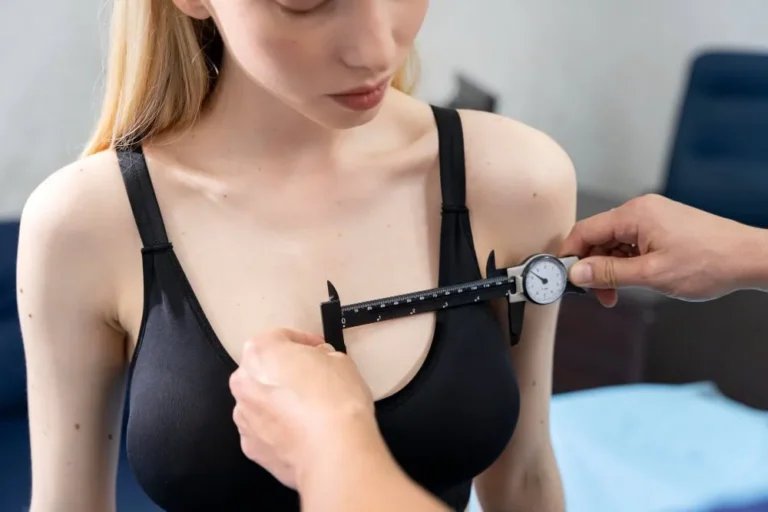
Uneven breasts after breastfeeding are very common, and in many women the difference settles on its own once feeding stops. When it doesn’t, it usually comes down to changes in breast volume, skin and tissue that no amount of waiting will fully reverse.
The sensible order is to give your body time first and then look at your options if the difference still bothers you, which Prof. Hindocha can assess at consultation.
Why Your Breasts Can Look Uneven After Feeding
Breast tissue responds to how much milk is made and removed. If your baby feeds more on one side, that breast makes more milk and can end up larger, a pattern described by the Australian Breastfeeding Association’s page on lopsided breasts.
Many babies also prefer one side, because of the speed of milk flow, nipple shape or simply the position that feels easiest. Holding your baby on the same arm most of the time can add to it.
Most women have a small natural difference between their breasts before pregnancy, and feeding can make it more obvious. Pregnancy, weight change and hormones all play a part too, as covered in the post on causes of breast asymmetry and how it is treated.
Will the Difference Even Out
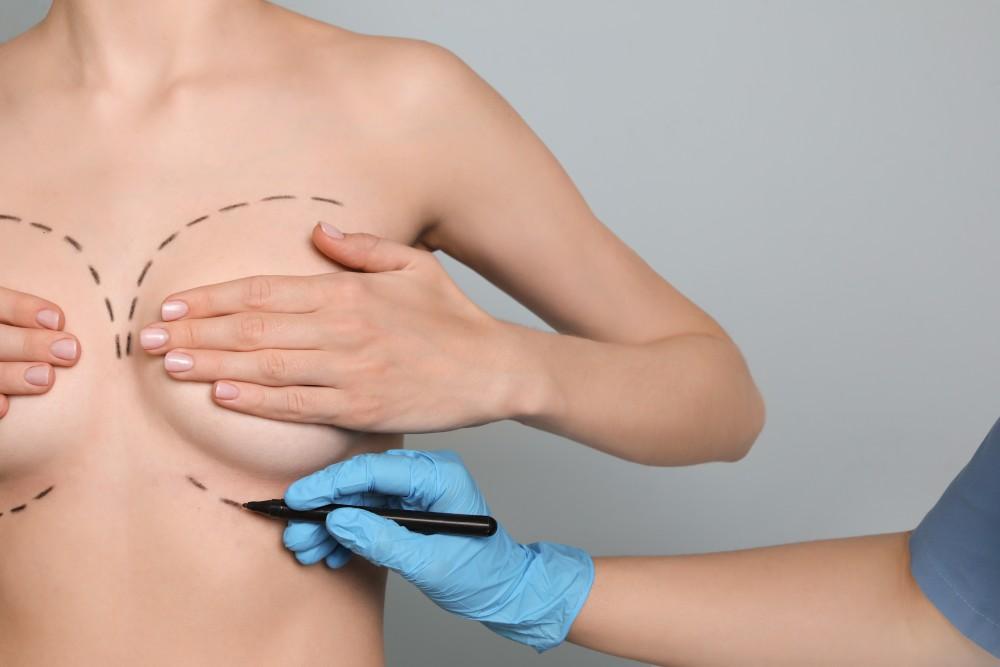
The Australian Breastfeeding Association notes that unevenness is usually temporary and settles after your baby weans. There is no fixed timetable, and the pace varies from person to person.
What often remains once the milk has gone is a difference in size, shape or position that was there before, or that came from the way each breast stretched and softened.
| What You Notice | What It Often Means |
|---|---|
| One breast larger while feeding | Uneven milk removal, which usually eases after weaning |
| One breast still larger months later | A natural size difference, or tissue that has not returned to its previous volume |
| Sagging or loss of upper fullness | Breast tissue and skin that have stretched and softened |
| Stretched or larger nipple and areola | Changes from feeding and breast growth, which can differ side to side |
| Lump, pain or redness | Not a cosmetic issue, so see your GP or midwife promptly |
A new lump, a hard painful area or skin redness should always be checked by a doctor rather than put down to uneven breasts after breastfeeding.
What You Can Do While You Wait
If you are still feeding, offering the less-used side first and trying different holding positions can help balance things out. The same breastfeeding page also points out that many babies are content feeding from one side, and that is fine.
A well-fitted bra, or a soft filler for the smaller side, can make clothes sit more evenly in the meantime. If feeding is painful or one side has stopped producing milk, a lactation consultant or health visitor is the right first call.
When Surgery Becomes Worth Considering

Surgeons generally prefer to wait until you have finished breastfeeding and your breast size has settled, along with a stable weight. Operating too early risks treating a difference that would have resolved by itself.
If a clear difference remains after that, surgery can reduce it. The right operation depends on whether the issue is size, shape, sagging or a combination, and you can read more on the breast asymmetry correction page.
Surgical Options for Rebalancing the Breasts

| Approach | What It Does |
|---|---|
| Breast augmentation | Adds volume to the smaller breast, or uses different implant sizes on each side |
| Breast reduction | Reduces the larger breast to match the smaller one |
| Breast lift | Raises and reshapes breasts that have lost their position after feeding |
| Augmentation with lift | Restores volume and position together, common when fullness has been lost |
| Nipple and areola reduction | Evens out stretched or mismatched nipples and areolae |
Adding or Removing Volume
Where one breast is clearly smaller, breast augmentation can add volume, sometimes with a different implant size on each side. Where one is clearly larger, breast reduction on that side brings it into balance.
Restoring Position and Shape
Feeding often leaves breasts lower and softer, which a breast lift addresses, and the background to that is set out in the post on sagging breasts and what causes them. When volume has also gone, augmentation combined with a lift treats both.
If the nipples or areolae are the main difference, areola reduction surgery can be done alone or alongside another procedure.
What Recovery Involves

Recovery depends on the operation, and combined procedures take longer. For breast asymmetry surgery, the practice lists a surgery time of around one and a half to three hours under general anaesthesia, usually as a day case, followed by a supportive bra for about six weeks.
Scars tend to fade over twelve to eighteen months. Your own timeline is confirmed at consultation, once it is clear what you need.
Seeing a Surgeon About Uneven Breasts
A consultation covers your feeding history, when you stopped, any weight changes and what bothers you most, followed by an examination. Prof. Hindocha will tell you plainly whether waiting longer is sensible or whether surgery is likely to help.
You do not need to decide anything at that appointment. Many women simply want to understand what is normal and what their choices are.
Frequently Asked Questions
Will uneven breasts even out after breastfeeding?
Often they do, at least partly. Unevenness caused by one side making more milk is usually temporary and settles after weaning.
A difference that was there before pregnancy, or that comes from stretched tissue, tends to stay.
Why is one breast bigger after breastfeeding?
The most common reason is that your baby fed more from that side, so it made more milk. Natural differences in breast size and changes from pregnancy and weight can also add to it.
How long should I wait before considering surgery?
There is no set number of months. Surgeons generally prefer to wait until you have stopped breastfeeding and your breast size and weight have settled, so they can see what difference is left.
Can you fix uneven breasts after breastfeeding?
Surgery can usually reduce the difference, although perfectly matched breasts are not a realistic aim. Options include augmentation, reduction, a lift, or a combination, depending on whether the difference is in size, shape or position.
Is it normal for one breast to be smaller than the other?
Yes. Almost everyone has some natural difference between their breasts, and it often becomes more noticeable after pregnancy and feeding.
When should I see a doctor about a breast change?
See your GP promptly about a new lump, a hard or painful area, skin redness or any change that does not feel right. Uneven size on its own is rarely a worry, but anything new is worth checking.
If your breasts still look different once feeding is behind you, book a consultation with Prof. Hindocha for a clear assessment and an honest discussion of your options.
This article is for general information only and does not constitute medical advice. Individual results vary, and suitability for any procedure can only be confirmed following an in-person consultation with a qualified, registered clinician.