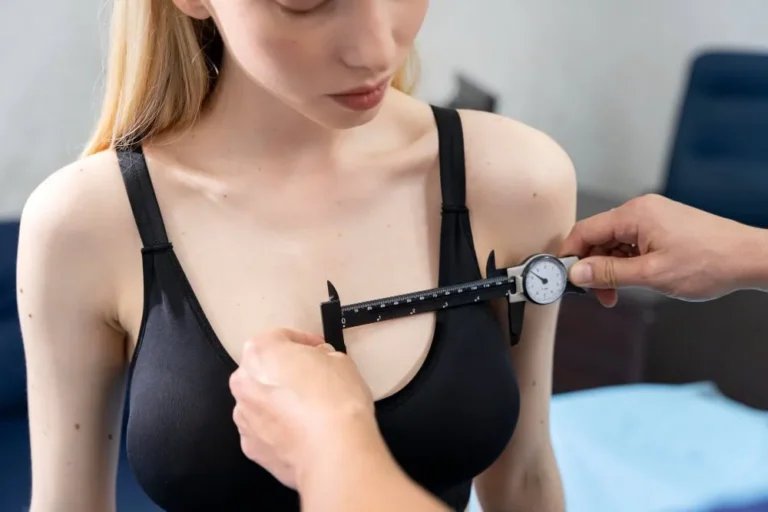
Areola reduction surgery makes the dark skin around the nipple smaller, and nipple reduction shortens or narrows the nipple itself. Both are short, relatively minor operations that can be done together or on their own, and they’re often done for balance rather than because anything is medically wrong.
Prof. Hindocha tailors the approach to your own proportions, since a nipple or areola that looks large on one person can look entirely in balance on another.
Why Nipples and Areolas Change Size
Some people are simply born with larger or puffier areolas, or nipples that project more than they’d like. Genetics plays the biggest part, and there’s no single size that counts as normal.
Others notice a change over time. Pregnancy, breastfeeding, hormonal shifts, weight changes, ageing and injury can all stretch the areola or alter the nipple, sometimes leaving the two sides uneven.
Nipple Reduction, Areola Reduction or Both

The right operation depends on what’s bothering you, so it helps to be clear about whether the issue is the nipple, the areola or the overall balance between them and the breast.
| Option | What It Does |
|---|---|
| Nipple reduction | Reduces the height or width of the nipple itself |
| Areola reduction | Reduces the diameter of the pigmented area around the nipple |
| Both together | Refines nipple and areola in a single procedure |
| One side only | Treats the larger side to improve symmetry, leaving the other untouched |
If asymmetry is the main concern, treating only the larger side is often enough. The full range of options is laid out on the nipple and areola reduction page.
What the Operation Involves
On its own, the procedure takes about an hour under local anaesthetic as a day case, so you’re awake but numb and go home the same day. The surgeon removes a precise amount of tissue to reduce the size, then closes the wound with fine stitches.
Incisions are placed at the border of the areola or the base of the nipple so the scar blends into the natural edge. When it’s combined with other breast surgery, such as a breast lift or a reduction, general anaesthesia may be used instead.
Recovery and Results
| Timeframe | What to Expect |
|---|---|
| Day 1 | Mild swelling, bruising and numbness, keep the area clean and dry |
| Day 1 to 2 | Light and moderately heavy work can usually resume |
| Week 1 | Follow-up appointment to check healing and stitches |
| Week 3 onwards | Heavy exercise and strenuous work can resume |
A supporting garment is worn for around six weeks. Results are visible straight away, but the final shape only settles over a few months once swelling has fully gone.
Risks Worth Knowing About
Scarring is minimal and sits at the edge of the areola, though how a scar heals varies between people. Temporary changes in nipple sensation can happen and usually settle over several months, while permanent changes are uncommon.
A small amount of asymmetry or a minor revision is possible. Future pregnancy or breastfeeding can also affect the result over time, so mention any plans for children at consultation.
Can You Still Breastfeed Afterwards

It depends on how much is removed and the technique used. A straightforward reduction of the areola skin generally shouldn’t involve the milk ducts, but surgery that goes deeper, or that is combined with a lift or reduction, can affect them.
If you may want to breastfeed in future, say so at the start. Prof. Hindocha can then plan the technique with that in mind, or advise waiting.
Is It Available on the NHS
Rarely. NHS policies on cosmetic breast surgery generally don’t fund purely cosmetic nipple procedures, though they usually allow a GP or consultant to request an individual review where exceptional circumstances exist, as set out in NHS cosmetic breast surgery policy guidance. Most people pay privately, and the cost depends on whether one or both sides are treated and whether it’s combined with other surgery.
A flat or inverted nipple is a different problem with a different fix, explained in the post on inverted nipples, their causes and grades.
Nipple and Areola Reduction With Prof Hindocha
The first step is a private consultation to look at your proportions, agree what you’d like to change and talk through risks openly. You may be a good candidate if your nipples or areolas feel out of proportion with your breasts, or are noticeably uneven.
If you’re also thinking about changing breast size, breast augmentation or breast reduction can be planned alongside it.
Frequently Asked Questions
How long does areola reduction surgery take?
About an hour when done on its own, under local anaesthetic as a day case. It takes longer if combined with other breast surgery.
Will there be a visible scar?
The scar sits at the border of the areola or the base of the nipple, so it is discreet, and it typically fades significantly over time.
Can both sides be treated at once?
Yes. Both sides can be done in one session, or only the larger side if symmetry is the main concern.
Will I lose nipple sensation?
Temporary numbness or altered sensation is common and usually settles over several months. Permanent change is uncommon but is a risk to discuss at consultation.
How soon can I go back to work?
Most people return to light or moderately heavy work within one to two days, with heavy exercise from about three weeks.
Can I breastfeed after areola reduction?
It depends on the extent of the surgery and the technique used. Tell your surgeon if you plan to breastfeed so the approach can be planned around it.
If you’re considering areola reduction surgery or nipple reduction, book a consultation with Prof. Hindocha to talk through what would suit you.
This article is for general information only and does not constitute medical advice. Individual results vary, and suitability for any procedure can only be confirmed following an in-person consultation with a qualified, registered clinician.