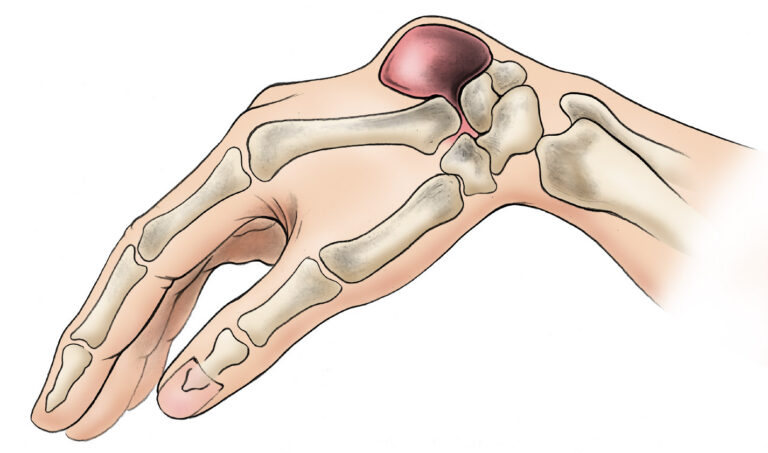
Cauliflower ear is a permanent lumpy or thickened deformity of the outer ear, caused by blood or fluid collecting under the skin after a blunt injury and being left untreated. It’s most common in contact sports with regular head and ear contact, particularly wrestling, rugby, boxing and mixed martial arts. Prof. Sandip Hindocha, a GMC-registered plastic surgeon and member of BAAPS and BAPRAS, explains what actually causes it, why it becomes permanent, and what can be done both straight after an injury and years later.
TL;DR: cauliflower ear happens when an injury causes bleeding between the ear cartilage and the tissue layer that feeds it (the perichondrium). If that blood is drained within a day or two, the ear usually settles back to normal. Left alone, the cartilage loses its blood supply, part of it dies off, and the body replaces it with hard, contracted scar tissue, which is what creates the lumpy shape people recognise as cauliflower ear. An established deformity from years ago can often still be improved surgically, even though the original injury is long gone.
What Is Cauliflower Ear?
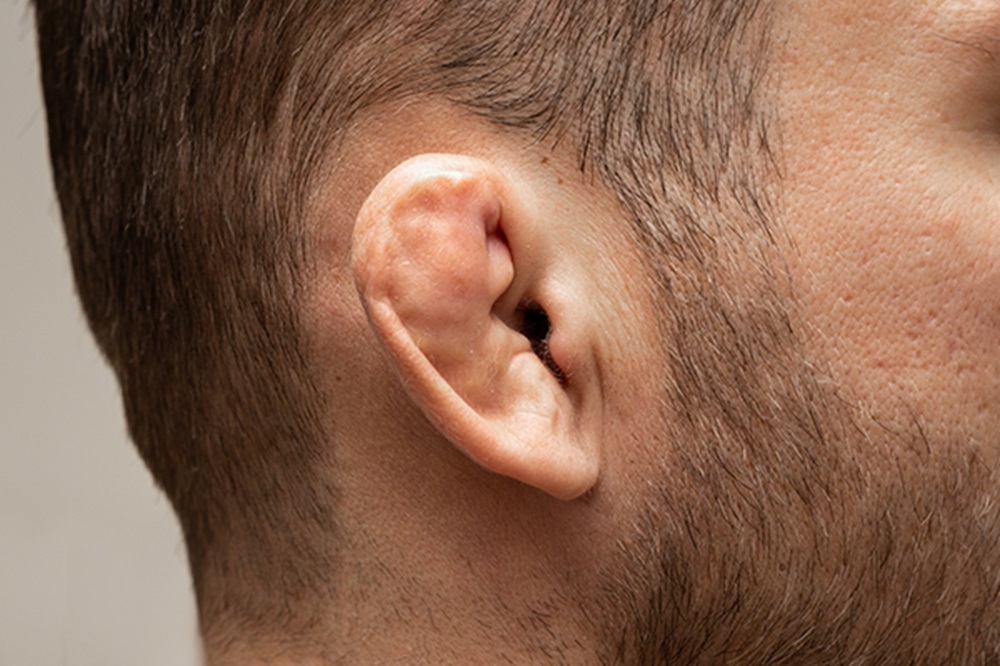
The ear’s cartilage has no blood supply of its own. It relies entirely on a thin covering layer called the perichondrium to deliver blood and keep it alive. A direct blow to the ear, a hard graze, a fall, or repeated friction during grappling can tear small blood vessels between the cartilage and the perichondrium, and blood pools in the gap. That pool of blood is called a haematoma.
Once the cartilage is separated from the perichondrium like this, it stops getting the blood supply it needs. If the haematoma is drained quickly, the cartilage reattaches and heals normally. If it isn’t, the affected cartilage begins to die.
Why It Becomes Permanent If Left Untreated
Dead cartilage doesn’t just disappear on its own. The body replaces it with fibrous scar tissue over the following weeks, and that scar tissue contracts and gradually hardens, in some cases calcifying completely. This is what produces the firm, lumpy, folded texture that gives cauliflower ear its name.
This is also why timing matters so much. The window to prevent permanent deformity is short, ideally within 24 to 72 hours of the injury. Once the cartilage has scarred and calcified, which can happen within a couple of weeks, draining the area no longer helps because there’s no longer a fresh haematoma to remove.
Who Gets It
Cauliflower ear is most strongly associated with wrestling, where repeated ear friction and impact against an opponent or the mat is routine. It’s also seen regularly in rugby, boxing, judo, Brazilian jiu-jitsu and MMA. Occasionally a single hard blow is enough, but for most people it develops from repeated, unaddressed trauma over the course of a season rather than one isolated incident.
Can It Be Prevented?
Yes, in most cases. Properly fitted headgear or ear guards during training and competition make a real difference, particularly in wrestling and rugby where the rules allow for them. Just as important is what happens straight after a knock. Swelling or a firm lump forming on the ear after a session shouldn’t be played through or ignored. Getting it checked and, if needed, drained promptly is the single most effective way to stop a fresh injury turning into a permanent one.
Treatment for a Fresh Injury Versus an Established Deformity
These are two genuinely different situations, and the right approach depends entirely on how old the injury is.
A fresh injury, from hours to a few days old, needs the haematoma drained promptly, followed by a compression dressing or splint to stop it refilling. This is best treated the same day or the next day wherever possible. It’s a medical matter to get seen for quickly, at a GP, urgent care or A&E, rather than something to wait and see about.
An established, calcified deformity that’s months or years old is a different problem. There’s no fresh haematoma left to drain, since the cartilage has already scarred into its new shape. Improving the appearance at this stage means surgery to reopen the ear, remove the fibrous or calcified tissue, and reshape the remaining cartilage back towards a more natural contour.
This is the same underlying skill set used in ear surgery (otoplasty), which Prof. Hindocha also uses to correct ears affected by injury, asymmetry or shape concerns from birth. The techniques for repositioning and reshaping cartilage are closely related, even though cauliflower ear and prominent ear correction start from different causes.
What Surgical Correction Involves
Correcting an established cauliflower ear is typically done under local or general anaesthetic as a day case procedure. It involves removing the scarred or calcified tissue and reshaping the cartilage that remains, and depending on how much cartilage has been lost, a small graft or supporting suture may be needed to rebuild the ear’s natural contour. A support dressing or band is usually worn afterwards, similar to recovery after standard otoplasty.
It’s worth setting realistic expectations here. Surgery can meaningfully improve the shape, symmetry and thickness of the ear, but with a longstanding or severe deformity, the aim is a natural improvement rather than a guaranteed perfect match to the other ear.
Recovery
In the first week, the ear is protected with a dressing and swelling is at its most noticeable. Bruising and swelling settle gradually over the following weeks, and the final shape becomes clearer as healing progresses, generally following a similar timeline to standard otoplasty recovery. The exact pace depends on how much reconstruction was needed, which is something to discuss directly at consultation.
Frequently Asked Questions
Can cauliflower ear go away on its own?
No. Once the cartilage has scarred and calcified, it stays that shape permanently without treatment. The only stage at which it can resolve on its own is in the first day or two, while it’s still a fresh haematoma rather than established scar tissue.
How soon after an injury does cauliflower ear form?
If a haematoma isn’t drained, the cartilage can begin scarring within days, and the deformity is usually fully established within a couple of weeks. This is why prompt treatment straight after the injury makes such a difference.
Is draining a fresh haematoma painful?
The area is numbed with local anaesthetic before the fluid is drained, so the procedure itself is generally well tolerated. Some tenderness and swelling afterwards is normal while the ear settles.
Can cauliflower ear be fixed years later?
Yes. Even a longstanding, fully calcified deformity can often be improved surgically by removing the scarred tissue and reshaping the remaining cartilage, regardless of how long ago the original injury happened.
Does surgery for cauliflower ear leave a scar?
Incisions are placed carefully, often behind or within the natural folds of the ear, so any resulting scarring is generally discreet. The exact approach depends on the extent of the deformity being corrected.
Will my ear look completely normal after surgery?
Surgery aims for a natural, well-proportioned improvement in shape and symmetry rather than a guaranteed identical match to the other ear, particularly with more severe or longstanding deformities. This is discussed in detail at consultation based on your specific anatomy.
Considering Treatment for Cauliflower Ear?
Whether you’ve just picked up an injury or you’ve lived with a settled deformity for years, the right next step depends on your specific ear and how it’s healed. Book a consultation with Prof. Hindocha to discuss whether your case needs urgent drainage, surgical reshaping, or simply an assessment to talk through your options.
This article is for general information only and does not constitute medical advice. Individual results vary and suitability for any procedure can only be confirmed following an in-person consultation. If you’ve just injured your ear and notice swelling, seek prompt medical attention rather than waiting.