
A cyst in the earlobe is almost always an epidermoid cyst, a small, usually painless sac under the skin that fills slowly with keratin, often forming where an ear piercing once healed. UK clinics that publish their own prices charge from £395 to £1,100 to remove a cyst, with larger, inflamed or recurrent cysts costing more.
What Causes a Cyst in the Earlobe

Most earlobe cysts form after some kind of soft tissue injury, commonly an ear piercing, where skin cells end up trapped under the surface instead of shedding normally. Those trapped cells carry on producing keratin, the protein that makes up skin and hair, which slowly builds into the firm little lump people notice.
A true sebaceous cyst, caused by a blocked oil gland, is actually much rarer on the earlobe than people assume, even though “sebaceous cyst” is the name most people use for any lump like this.
Is It Definitely a Cyst
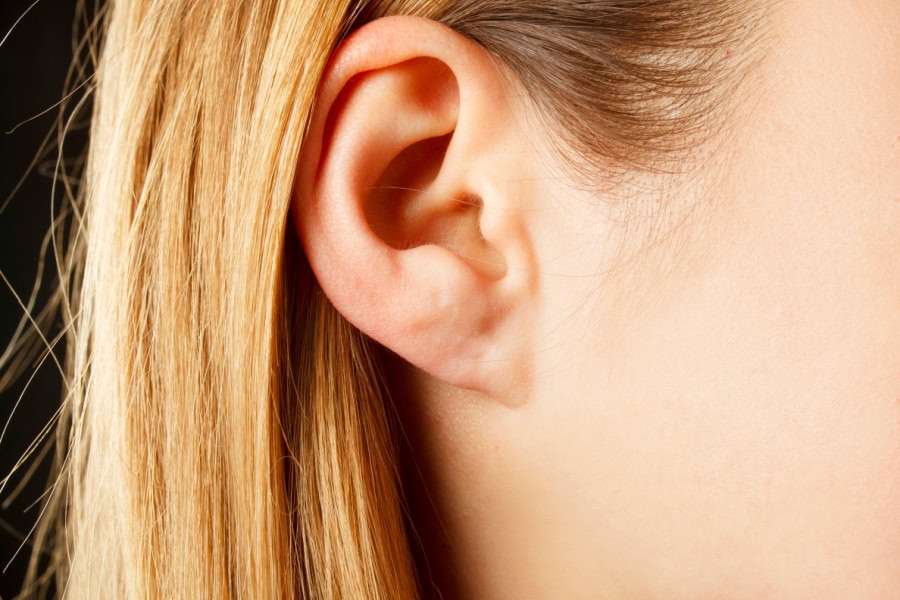
Several other lumps can look similar to the untrained eye, which is one reason a proper examination is worth having before assuming what you’re dealing with.
| Lump type | How it typically differs |
|---|---|
| Epidermoid cyst | Slow-growing, round, moves under the skin, sometimes has a visible central punctum |
| Lipoma | Softer, doughier, sits slightly deeper, rarely on the earlobe itself |
| Abscess or infected cyst | Red, warm, tender, may be swelling quickly rather than sitting unchanged for months |
| Keloid scar | Firm, raised, often follows a piercing or injury, but is solid scar tissue rather than a fluid or keratin-filled sac |
When to See a Doctor Promptly
Most cysts are harmless and can sit unchanged for years without ever needing treatment. According to NHS guidance on skin cysts, you should get an unexplained lump checked, and arrange an urgent GP appointment if it’s very painful or hot, is leaking pus, has spreading redness around it, or is painless, hard and doesn’t move under the skin.
Don’t squeeze or try to pop a cyst yourself. If it bursts, it can become infected, or spread infection if it’s already infected. Seeing a GP early if it looks infected genuinely helps, antibiotics at that stage can sometimes prevent it turning into an abscess.
What Determines Cyst Removal Surgery Cost
Size and complexity matter most. A small, straightforward cyst removed under local anaesthetic costs less than a larger one, or one sitting close to delicate structures like the ear cartilage, where extra precision is needed to avoid affecting the shape of the ear.
Whether the cyst is currently infected also changes things, an infected cyst sometimes needs treating first before a clean excision can be done, which can mean two appointments rather than one.
As general market context and not a quote from Prof. Hindocha, these are the prices five named UK clinics publish for themselves, checked on 5 October 2026. None publishes a separate earlobe price, so the table shows each clinic’s price for a cyst on the face or head where it gives one. Some clinics charge separately for histology, the laboratory test on the removed tissue, so check whether a quote includes it. The only way to get an accurate figure for your own case is an in-person consultation.
| Clinic | Published price |
|---|---|
| City Dermatology Clinic | Facial cyst from £395 |
| UKSKIN | Head or neck cyst from £575 |
| Centre for Surgery | Small cyst under 2cm £595, laboratory fee extra |
| Skin Surgery Clinic | Head or forehead cyst £650 |
| Thames Valley Surgical Services | Face cysts usually £550 to £1,100, laboratory fees extra |
What’s Usually Included in a Transparent Quote
A properly quoted removal price should be clear about what it actually covers, not just a headline number. Rather than focusing on a single figure that may not reflect your own case, our broader guide to understanding the cost of private plastic surgery in the UK explains what a transparent quote should include across any procedure.
How It’s Actually Removed
Removal is usually done under local anaesthetic. The surgeon makes a small incision and removes the entire cyst, including its outer sac, then closes the area with a stitch or two.
Removing the whole sac, not just draining the contents, is what actually prevents it coming back. Studies comparing techniques have found complete surgical excision carries a recurrence rate of around 3% over a year, compared with roughly 8% for less invasive drainage-only approaches, since any sac lining left behind can simply refill.
Is Cyst Removal Available on the NHS
Sometimes. The NHS may remove a cyst where there’s a genuine clinical need, such as recurrent infection, persistent pain, or the cyst interfering with everyday function. Removal purely because you don’t like the look of it isn’t routinely funded, and where it is offered, waiting times can apply. Anyone considering this route should start with their GP.
Recovery Timeline
After a straightforward removal, any stitches are typically removed after about a week to ten days, and most people can return to normal activity soon afterwards, avoiding anything that puts direct pressure on the area in the meantime.
The scar itself continues to fade and flatten over several months. Because the earlobe is a small, visible area, a neat, well-planned incision makes a genuine difference to the final result, which is part of why technique and experience matter here more than the size of the procedure might suggest.
Cyst Removal With Prof Sandip Hindocha
Prof. Hindocha is a GMC-registered plastic surgeon and a member of both BAAPS and BAPRAS, with experience removing cysts and other skin lesions with a focus on complete excision and a neat, well-healed result, particularly important on a visible area like the ear. If you’re weighing up a lump elsewhere on the skin too, our guide on skin tags and warts covers those separately.
Frequently Asked Questions
What causes a cyst in the earlobe?
Most earlobe cysts, technically epidermoid cysts, form after minor skin injury such as an ear piercing, where skin cells get trapped under the surface and slowly build up into a lump. A true sebaceous cyst from a blocked oil gland is much rarer on the earlobe.
How much does cyst removal surgery cost in the UK?
There’s no single fixed price, straightforward cases generally cost less than larger or infected cysts. As general market context, five UK clinics checked in October 2026 publish £395 to £1,100 for cyst removal, and some charge separately for the laboratory test, but a genuine figure can only be given after an in-person consultation.
Will a cyst come back after removal?
It’s much less likely if the entire sac is removed rather than just drained. Complete surgical excision has a recurrence rate of around 3% over a year, compared with roughly 8% for drainage-only approaches.
Is cyst removal available on the NHS?
It can be, where there’s a genuine clinical need such as recurrent infection, pain, or interference with everyday function. Removal for appearance alone isn’t routinely funded, and NHS waiting times can apply.
When should I see a doctor about a cyst?
Get any unexplained lump checked. See a GP urgently if it’s very painful or hot, leaking pus, has spreading redness, or is painless, hard and doesn’t move under the skin, since these can be signs it isn’t a straightforward cyst.
How long is recovery after cyst removal?
Stitches are typically removed after a week to ten days and most people can resume normal activity soon afterwards. The scar continues to fade and flatten over several months.
Whether you’re weighing up cost, wondering if it’s genuinely a cyst, or just want it properly removed with minimal scarring, the right approach depends on your own case. Book a consultation with Prof. Hindocha to discuss your case and get a genuine, personalised quote.
This article is for general information only and does not constitute medical advice. If a lump is painful, growing, or doesn’t behave like a straightforward cyst, see your GP promptly. Individual results vary and suitability for any procedure can only be confirmed following an in-person consultation.