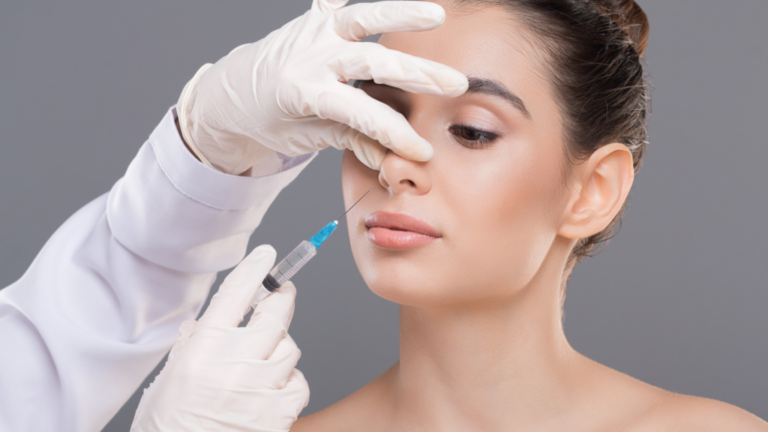
Rhinoplasty cost in the UK varies enormously depending on what’s actually being changed, a straightforward tip refinement is a different procedure to a full reshape combined with breathing correction, so there’s no single number that applies to everyone. NHS rhinoplasty is only available in specific circumstances, and a bulbous nose usually needs its own particular set of techniques rather than a generic nose job. Prof. Sandip Hindocha, a GMC-registered plastic surgeon and member of BAAPS and BAPRAS, explains what genuinely drives the price, when the NHS will and won’t fund it, and how a bulbous tip is actually corrected.
What Determines Rhinoplasty Cost

A few variables move the price more than any others. Whether it’s a straightforward cosmetic reshape or a septorhinoplasty that also corrects a breathing problem changes both the surgical time and the cost, since correcting the septum is a genuinely separate procedure layered on top of reshaping the outside. Revision rhinoplasty, correcting a previous surgery, tends to cost more again, since scar tissue and altered anatomy make the surgery more complex regardless of who did the original procedure.
As general market context and not a quote from Prof. Hindocha, these are the prices five named UK clinics publish for themselves, checked on 5 October 2026. Their published prices for primary rhinoplasty start at between £7,000 and £9,495, and septorhinoplasty, which also straightens the septum inside the nose, runs from £8,000 to £11,000 across the three that publish it. Revision surgery costs more again: Cadogan Clinic lists it from £10,995 and Harley Medical Group from £12,995, but too few clinics publish a revision price to give a fair range. The only way to get an accurate figure for your own nose is a full in-person consultation.
| Clinic | Primary rhinoplasty | Septorhinoplasty |
|---|---|---|
| Centre for Surgery | £7,000 to £10,000 | £8,000 to £11,000 |
| Spire London East Hospital | From £7,373, plus a £220 consultation | Not published |
| Cadogan Clinic | From £7,995 | From £8,495 |
| Harley Medical Group | From £8,995 | From £8,995 closed, £9,995 open |
| MYA | From £9,495 | Not published |
What’s Usually Included in a Transparent Quote
A properly quoted rhinoplasty price should be clear about what it actually covers, not just a headline number.
Rather than focusing on a single figure that may not reflect your own case, our broader guide to understanding the cost of private plastic surgery in the UK explains what a transparent quote should include across any procedure.
Correcting a Bulbous Nose
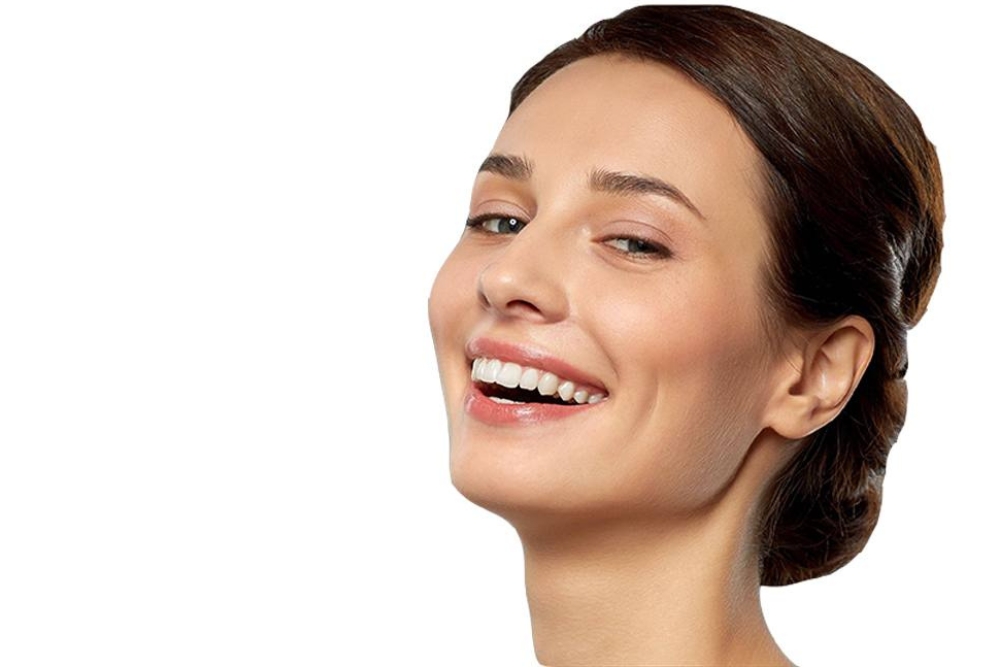
A bulbous nose usually comes down to the shape of the lower lateral cartilages at the tip, when they’re wide, rounded or splayed apart, or from thicker skin that doesn’t drape tightly over the underlying structure. It’s a specific problem, so it needs a specific fix rather than the same reshaping used for a dorsal hump or a crooked bridge.
The tip cartilage is narrowed and reshaped with sutures, sometimes with a small, precise trim of the excess cartilage along its upper edge, then supported from underneath with a cartilage graft, usually taken from the septum, so the tip holds its new shape long-term rather than reverting. A review of published surgical technique literature on managing the bulbous nasal tip confirms that modern approaches favour conservative, structure-preserving cartilage work over removing large amounts of tissue, since over-resection can leave the tip looking pinched or unnatural years later.
Most surgeons correct a bulbous tip through an open approach, a small incision across the columella that lets the cartilage be seen and shaped directly, since precision matters more here than with simpler reshaping and the incision itself heals to be virtually invisible.
Is NHS Rhinoplasty Available
NHS rhinoplasty is possible, but only in specific circumstances, it isn’t funded for cosmetic reshaping on its own. According to NHS guidance on nose reshaping, surgery is usually only commissioned when a deviated septum or other structural problem is genuinely obstructing your breathing, or following trauma, cancer treatment, or as part of cleft lip and palate care.
If you think you might qualify, the route in is your GP, who can assess whether your situation meets the criteria and refer you on. Outside of these specific medical circumstances, NHS rhinoplasty for appearance alone, including correcting a bulbous tip or a dorsal hump you’re simply unhappy with, isn’t something the NHS commissions, which is why most people exploring this go the private route instead.
Recovery and When You’ll See the Result
A splint stays on for about a week, with most visible bruising and swelling settling over the following couple of weeks. The nose keeps refining gradually after that, since some residual swelling, particularly at the tip, can take up to a year to fully resolve.
Our Rhinoplasty Recovery Timeline post covers what to expect week by week in far more detail, from splint removal through to when it’s realistic to judge the final shape.
Questions Worth Asking Before You Book
Before booking, it’s worth asking a few direct questions. Is the quoted price fixed or an estimate. Does it include the follow-up appointments, or are these charged separately. What happens if a touch-up is genuinely needed. And is the surgeon listed on the GMC Specialist Register in plastic surgery. Our guide on how to check a plastic surgeon’s credentials covers this in full.
Rhinoplasty With Prof Sandip Hindocha
Prof. Hindocha is a GMC-registered plastic surgeon and a member of both BAAPS and BAPRAS, with experience correcting bulbous tips, dorsal humps and breathing problems through both primary and revision rhinoplasty, planned around each patient’s own anatomy rather than a single template result. Our Rhinoplasty service page covers the procedure in full, including candidacy and what to expect.
Frequently Asked Questions
How much does rhinoplasty cost in the UK?
There’s no single fixed price, since cost depends heavily on whether it’s a cosmetic reshape, a septorhinoplasty that also corrects breathing, or a revision of previous surgery. A genuine figure can only be given after an in-person consultation.
Is NHS rhinoplasty available for a bulbous nose?
No, the NHS doesn’t fund rhinoplasty for appearance alone. NHS rhinoplasty is only commissioned when there’s a genuine breathing obstruction, such as a deviated septum, or following trauma, cancer treatment, or as part of cleft care.
What causes a bulbous nose?
A bulbous nose usually comes from the shape of the tip cartilages, when they’re wide, rounded or splayed apart, or from thicker skin that doesn’t sit tightly over the structure underneath. It’s a specific anatomical issue rather than something that affects everyone’s nose the same way.
Is revision rhinoplasty more expensive than a first surgery?
Generally yes. Correcting a previous rhinoplasty involves scar tissue and altered anatomy that make the surgery more complex than a first procedure, regardless of who performed the original surgery.
How long is recovery after rhinoplasty?
A splint stays on for about a week, with most bruising and swelling settling over the following couple of weeks. Full refinement takes longer, since residual swelling at the tip can take up to a year to completely resolve.
Can a bulbous tip be corrected without changing the rest of the nose?
Yes. Tip work can be done on its own when the bridge and overall shape are otherwise fine, though this still needs a proper in-person assessment to confirm the tip is genuinely the only concern.
Whether you’re weighing up cost, wondering about NHS eligibility, or specifically looking to correct a bulbous tip, the right approach depends entirely on your own anatomy. Book a consultation with Prof. Hindocha to discuss your case and get a genuine, personalised quote.
This article is for general information only and does not constitute medical advice. Individual results vary and suitability for any procedure can only be confirmed following an in-person consultation.