Cubital tunnel syndrome is compression of the ulnar nerve at the inside of the elbow, and it causes numbness and tingling in the little and ring fingers. Mild cases often settle with a night splint and a few changes to how you use your arm, while surgery is kept for symptoms that persist, worsen or start to weaken the hand. Prof. Sandip Hindocha is a consultant plastic and hand surgeon who treats upper limb nerve conditions.
What Cubital Tunnel Syndrome Is
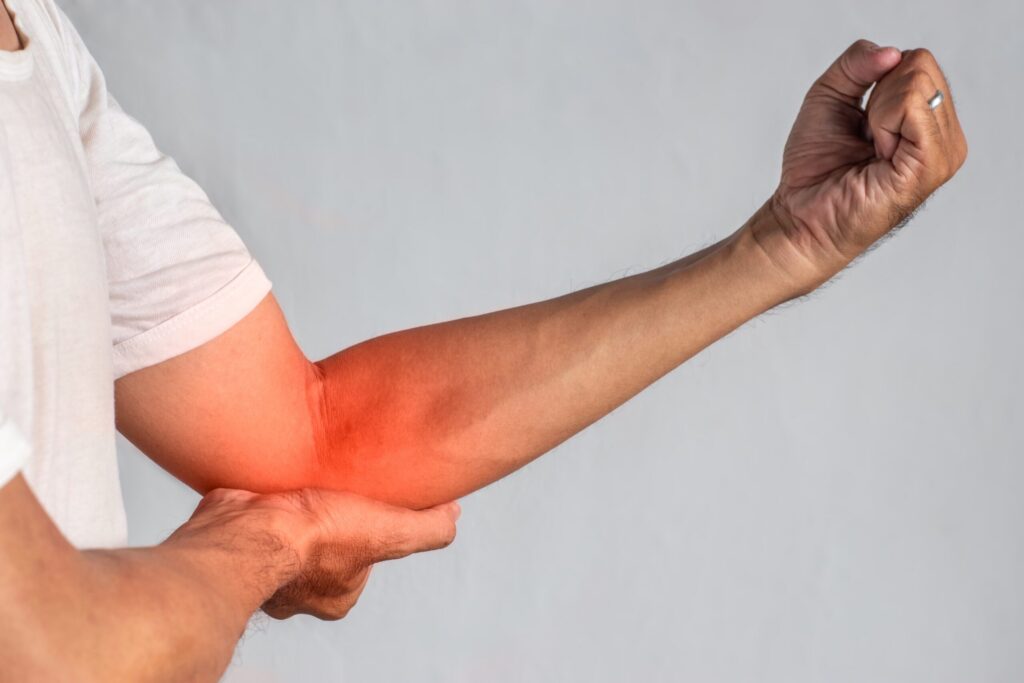
The cubital tunnel is a narrow channel of muscle, bone and ligament on the inner side of the elbow. The ulnar nerve runs through it on its way to the hand, and it supplies feeling to the little finger and half of the ring finger.
When that nerve is squeezed or stretched, the signals it carries become disrupted. It is one of the most common nerve compression problems of the upper limb. The part of the elbow you knock and feel a jolt from is this same nerve, which is why people call it the funny bone.
Symptoms to Look Out For
Symptoms are often worse at night or first thing in the morning, then become more frequent over time. According to an NHS patient leaflet from East Kent Hospitals, they affect the little finger and half of the ring finger. Typical signs include:
- numbness or pins and needles in the little and ring fingers
- an ache or discomfort at the inner elbow
- symptoms that come on when the elbow is bent for a while, such as on a phone call or while driving
- a weaker grip or clumsiness with fine tasks
In more severe cases the small muscles of the hand can waste, particularly between the fingers, and grip strength drops. That is a sign the nerve needs prompt attention.
What Causes the Nerve to Become Compressed
In most people there is no single obvious cause. The ulnar nerve has little padding at the elbow, and it is stretched every time you bend the joint, so it is vulnerable to both pressure and repeated strain.
Habits that keep the elbow bent for long periods, such as holding a phone to your ear or sleeping with the arms curled up, can irritate it. So can resting your elbow on a hard surface. Avoiding those habits is a sensible first step, and it is also part of the advice on the cubital tunnel syndrome service page.
How It Is Diagnosed
The diagnosis usually starts with your history and an examination. Pressing or tapping over the nerve at the elbow, or holding the elbow bent, may bring on your symptoms, and your hand strength and sensation are checked.
Nerve conduction studies can be used to show how severe the compression is. They use small electrical pulses through electrodes on the skin to measure how well the nerve is carrying signals. They are not always needed, but they help when the picture is unclear or when surgery is being planned.
Is It the Elbow, the Wrist or the Neck
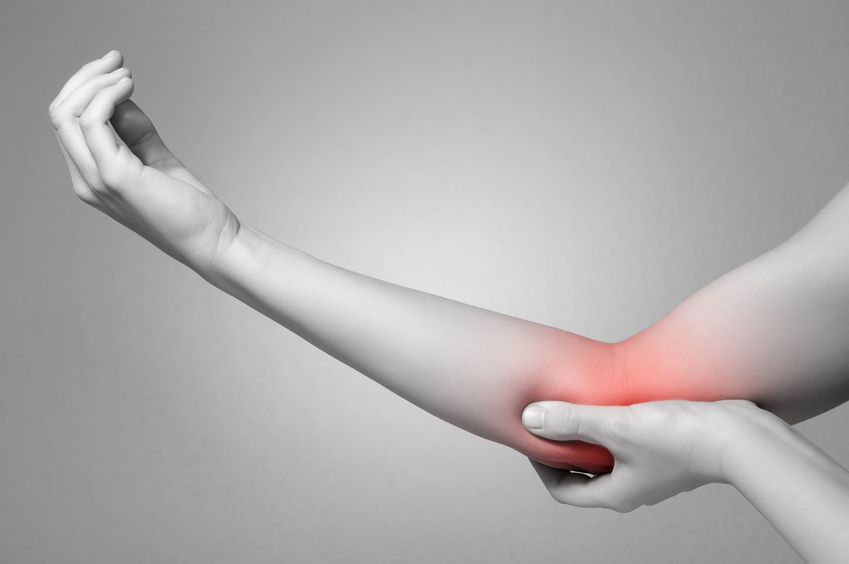
Numb fingers have several possible sources, and the pattern matters. Little and ring finger symptoms point towards the ulnar nerve. Numbness in the thumb, index and middle fingers points towards the median nerve, which is compressed at the wrist in carpal tunnel syndrome.
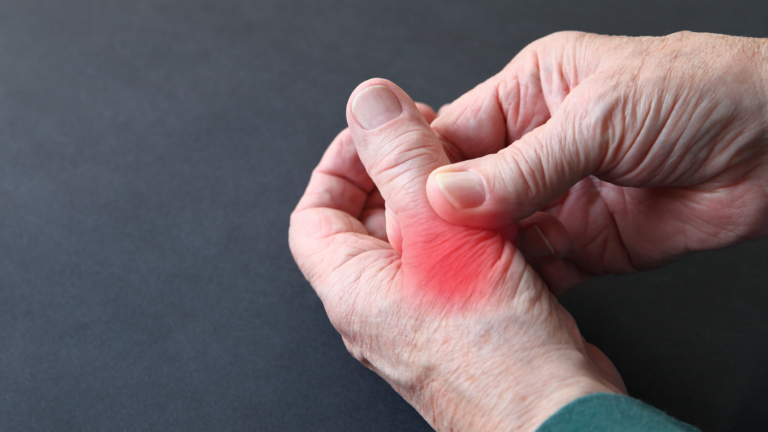
The same nerve can also be pinched at the wrist or irritated from the neck, and thumb pain can come from the joint rather than a nerve, as covered in the post on thumb base arthritis. A proper examination avoids treating the wrong problem.
Treatments to Try First
For mild to moderate symptoms, treatment starts without an operation. The aim is to take pressure and stretch off the nerve while it recovers.
| Option | What it involves | Worth knowing |
|---|---|---|
| Night splint | Keeps the elbow fairly straight during sleep | The NHS leaflet suggests 6 to 8 weeks, sometimes up to 12 |
| Activity changes | Avoids long periods of elbow bending and leaning on the elbow | Workstation changes often help |
| Elbow padding | Protects the nerve from hard surfaces by day | A simple, low-risk measure |
| Nerve gliding exercises | Gentle movements that help the nerve slide | Should not be painful, so ease off if symptoms flare |
| Anti-inflammatory medication | Eases pain and swelling around the elbow | Used alongside other measures, not on its own |
Improvement can take several weeks, so give these measures a fair trial before judging them.
When Surgery Is Worth Considering
Surgery is recommended when non-surgical treatment has not worked, or when the condition is severe from the start. Signs that suggest it is time to discuss an operation include:
- numbness or tingling that persists despite splinting and activity changes
- a weakening grip or difficulty with fine movements
- symptoms that are steadily getting worse
- wasting of the small muscles in the hand
Timing matters because a nerve that has been compressed for a long time recovers less well. If you have noticed weakness, it is better to be assessed sooner than to wait it out.
What the Operation Involves
The operation is an ulnar nerve decompression. A cut is made along the inner side of the elbow and the tight tissue pressing on the nerve is released. Occasionally the nerve is moved to the front of the elbow, known as a transposition, to stop it being stretched again.
At this practice it is carried out under local anaesthetic as a day case, so you are awake and go home the same day. It takes about an hour and does not need drains or a supporting garment. The cubital tunnel surgery page describes the procedure in more detail.
Recovery After Surgery
You are reviewed at one week to check the wound. Keep it clean and dry and keep the arm elevated where you can. Most people return to light or desk-based work within one to two weeks, provided the wound is healing well.
| Stage | What to expect |
|---|---|
| Week 1 | Rest, wound care and a follow-up review |
| Weeks 1 to 2 | Return to light or desk-based work |
| Months 3 to 4 | Gradual return to moderately physical work |
| Four months onwards | Heavy work and intensive exercise, with physiotherapy occasionally advised |
Other NHS trusts give similar guidance. Frimley Health’s patient information advises avoiding heavy lifting for six weeks and says most people can drive again after about a week once they can grip the wheel firmly.
What to Expect From the Result
Many people notice the tingling and numbness ease soon after surgery. Recovery of the nerve is slower than recovery of the wound, though, and can continue for up to 18 months where the nerve had been squeezed for a long time. Strength is usually the last thing to return.
Serious complications are uncommon, according to the East Kent leaflet, and smokers have a higher risk of healing problems and infection. In severe cases, feeling and strength may not return fully, which is another reason not to leave symptoms for years.
What Happens if It Is Left Untreated
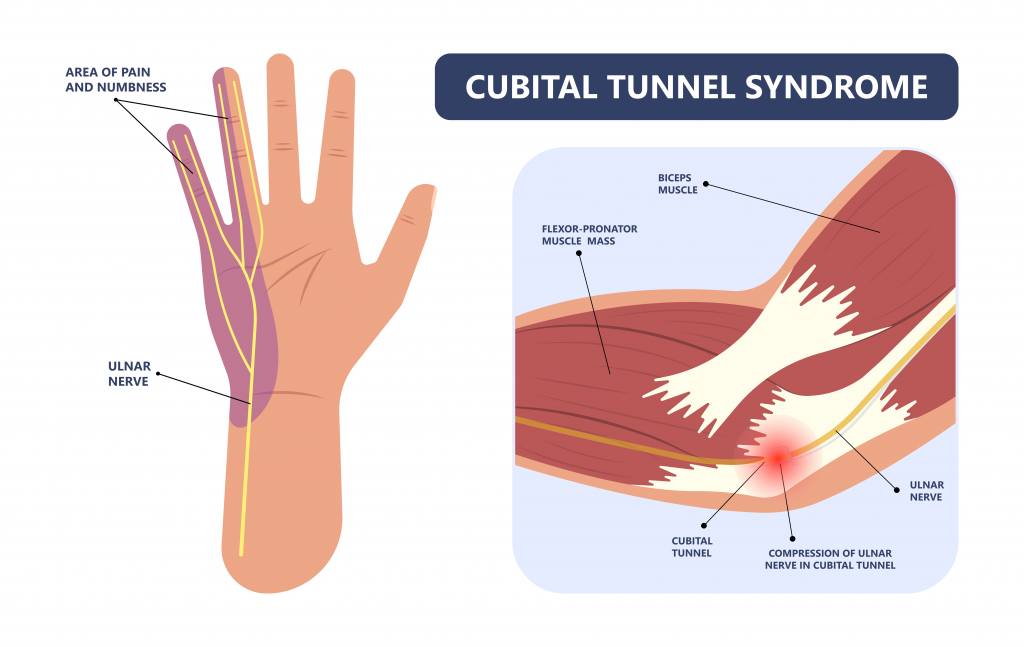
Ongoing compression can lead to lasting numbness in the little and ring fingers, progressive weakness, and difficulty gripping or pinching. In the worst cases the small hand muscles waste away.
Once nerve damage becomes established, even successful surgery may not reverse all of it. Mild, occasional symptoms are reasonable to watch, but constant numbness or weakness should be looked at. More hand and arm conditions are listed under hand surgery.
Frequently Asked Questions
What causes numbness in the little and ring fingers?
Often the ulnar nerve being compressed at the elbow, though the wrist or neck can also be involved. An examination identifies the source.
Can cubital tunnel syndrome go away on its own?
Mild cases can settle with a night splint and changes to how you use your elbow. Persistent or worsening symptoms need to be assessed.
How long should I wear an elbow splint at night?
An NHS leaflet suggests 6 to 8 weeks, extending to 12 if you are improving but not yet better.
Will I be awake during ulnar nerve surgery?
Yes. It is done under local anaesthetic, so the area is numbed, and you go home the same day.
How long does recovery take after cubital tunnel surgery?
Light work is usually possible within one to two weeks and heavier work at around four months. The nerve itself can keep improving for up to 18 months.
Will the numbness go away after surgery?
Often it improves, but slowly. If the nerve was compressed for a long time, some numbness or weakness may remain.
If numbness or weakness in your hand is not settling, book a consultation with Prof. Hindocha to confirm the cause and discuss your options.
This article is for general information only and does not constitute medical advice. Individual results vary, and suitability for any procedure can only be confirmed following an in-person consultation with a qualified, registered clinician.