Thumb base arthritis is wear of the joint where the thumb meets the wrist, and it causes pain when you pinch, grip or twist. Most people do well with splints, medication and injections, and thumb base arthritis surgery is usually kept for when those no longer give enough relief. Prof. Sandip Hindocha is a consultant plastic and hand surgeon who treats this condition.
What Thumb Base Arthritis Is
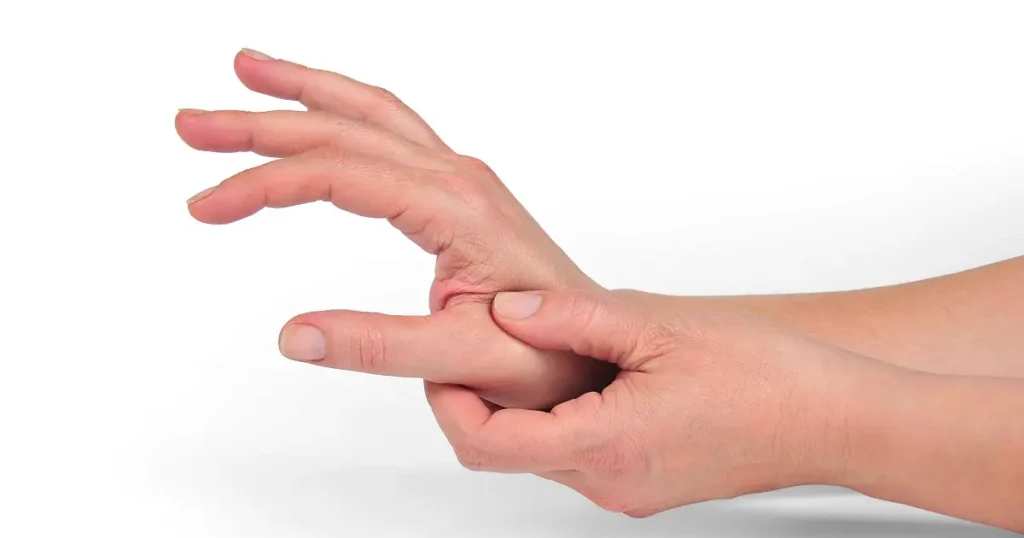
The joint at the base of the thumb, between the thumb metacarpal and a small wrist bone called the trapezium, is the most mobile joint in the hand. It lets you pinch, grip, turn a key and open a jar. Because it works so hard, its cartilage can thin and roughen over time.
An NHS patient leaflet from West Suffolk Hospital describes it as the most common site of arthritis in the body. It is particularly common in women over 50, and an earlier injury to the joint can raise the risk.
Symptoms to Look Out For
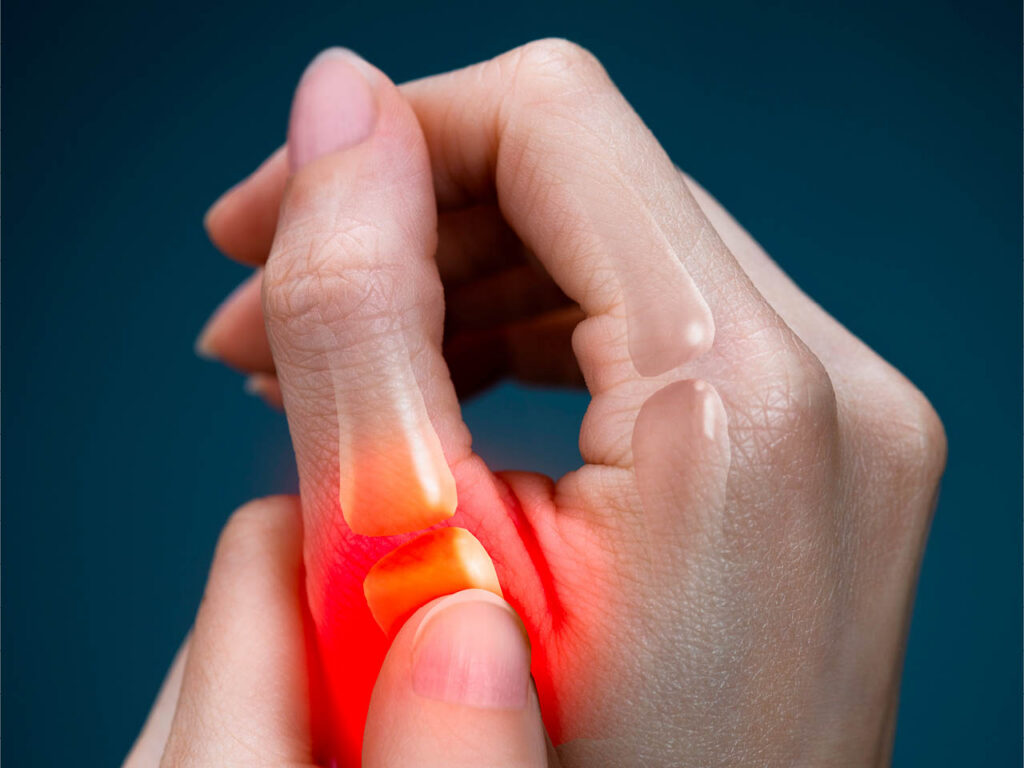
The typical picture is an ache at the base of the thumb that gets worse with use. You may notice it when you:
- pinch or pick up small objects
- open jars, bottles or tight lids
- turn a key or a door handle
- write, use a phone or work with tools
Other signs include stiffness, tenderness when you press the base of the thumb, a grinding feeling, and a change in the shape of the joint, which can look squared off. These symptoms tend to creep up gradually rather than appear overnight.
Not all thumb or wrist pain is arthritis. Numbness and tingling in the thumb and fingers can point to carpal tunnel syndrome, and a thumb that clicks or locks may be a trigger digit, covered in the post on trigger finger causes and treatment. An examination sorts these out.
Treatments to Try First
Symptoms often settle over time, and most people improve without an operation. The usual first steps are:
| Treatment | What it does | Worth knowing |
|---|---|---|
| Activity changes | Avoids the movements that set off pain | Joint protection habits can reduce daily strain |
| Pain relief | Painkillers or anti-inflammatory tablets and gels | Your GP or pharmacist can advise what suits you |
| Splint | Supports the thumb and wrist | Needed during sore spells or painful tasks, not all day |
| Steroid injection | Reduces inflammation in the joint | Can take weeks to work, and relief may not last |
The same NHS leaflet notes that steroid injections can be repeated a few times, and that risks include infection, thinning or discolouration of the skin, and a temporary flare in pain. Hand therapy can also help with exercises and joint protection.
When Thumb Base Arthritis Surgery Is Worth Considering
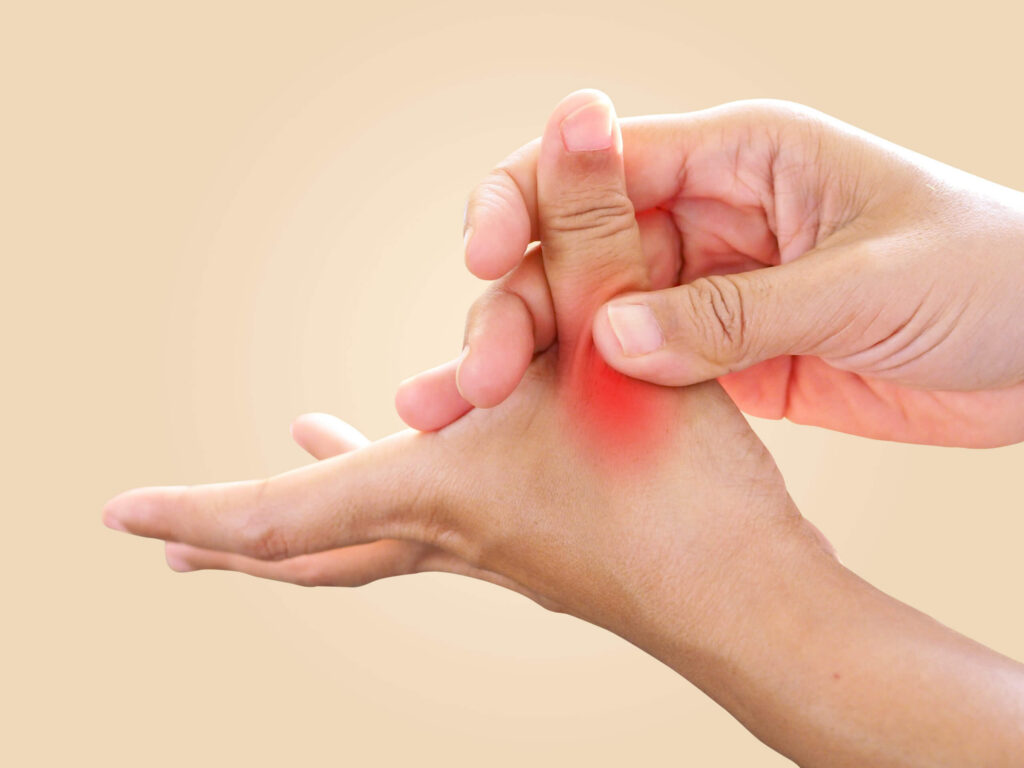
Surgery is generally a later step. It is worth discussing when pain persists despite splinting, medication and injections, and when it limits work, sleep or everyday tasks such as gripping and pinching.
There is no fixed threshold. The decision depends on how much the joint affects your life, what you have already tried, and what an examination and X-ray show. Waiting is a reasonable choice if symptoms are manageable.
What the Operation Involves
The most common operation is a trapeziectomy, in which the arthritic trapezium bone is removed so the painful bone-on-bone contact goes. The space is often supported with a tendon graft or ligament reconstruction to keep the thumb stable. Fusing the joint or replacing it are less common alternatives.
At this practice the operation usually takes about an hour and a half, is done as a day case under local or general anaesthetic, and does not need drains. The thumb base surgery page explains how the technique is matched to the diagnosis.
Recovery and Risks
The thumb is protected in a custom splint after surgery, usually for around four to eight weeks depending on the procedure. A review at one week checks the wound. Physiotherapy then begins to restore movement, pinch and grip.
| Stage | What to expect |
|---|---|
| Week 1 | Splint on, wound review |
| Weeks 2 to 6 | Protected immobilisation while the repair heals |
| Weeks 6 to 8 | Splint stops and physiotherapy begins |
| Weeks 6 to 12 | Return to light and moderate work |
| Three months onwards | Grip and pinch strength keep improving |
Timelines vary, and the NHS leaflet says the hand can take up to six months, and sometimes up to twelve, to fully settle. Risks include finger stiffness and swelling, numbness over the back of the thumb, infection, and rarely complex regional pain syndrome or an unstable thumb base. Most people get good pain relief, though occasional aching can remain.
Frequently Asked Questions
What are the first signs of thumb base arthritis?
Usually an ache at the base of the thumb when you pinch, grip or turn something. Stiffness and tenderness often follow.
Can thumb arthritis go away on its own?
The joint wear does not reverse, but symptoms often settle over time and many people improve with splints, medication and injections.
When should I consider thumb base arthritis surgery?
When pain continues despite non-surgical treatment and limits your work, sleep or daily tasks. A consultation and X-ray help you decide.
What is a trapeziectomy?
It is the most common operation for this condition. The trapezium bone at the base of the thumb is removed, often with a tendon graft for support.
How long does recovery take after thumb base surgery?
A splint is usually worn for four to eight weeks, light work often resumes at six to twelve weeks, and full strength can take three months or more.
Will I get full strength back in my thumb?
Most people get a substantial improvement in pain and function, although full strength does not always return.
If thumb pain is affecting what you can do, book a consultation with Prof. Hindocha to find out the cause and talk through your options.
This article is for general information only and does not constitute medical advice. Individual results vary, and suitability for any procedure can only be confirmed following an in-person consultation with a qualified, registered clinician.