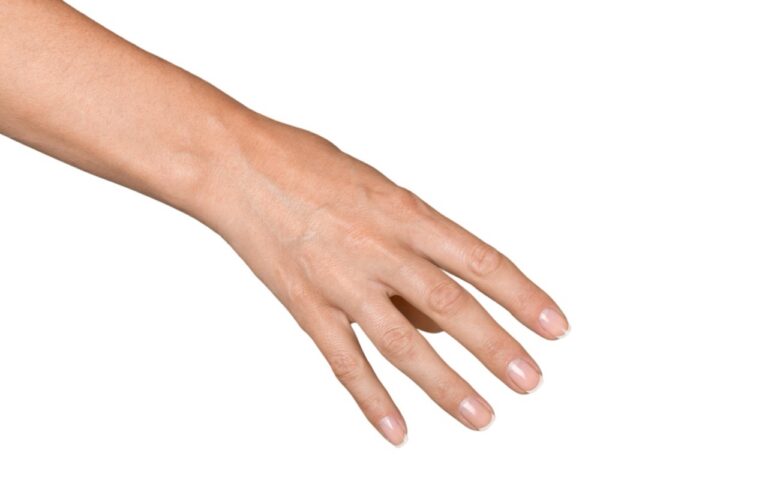
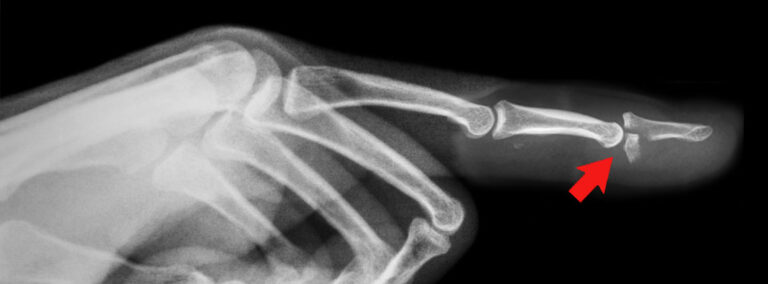
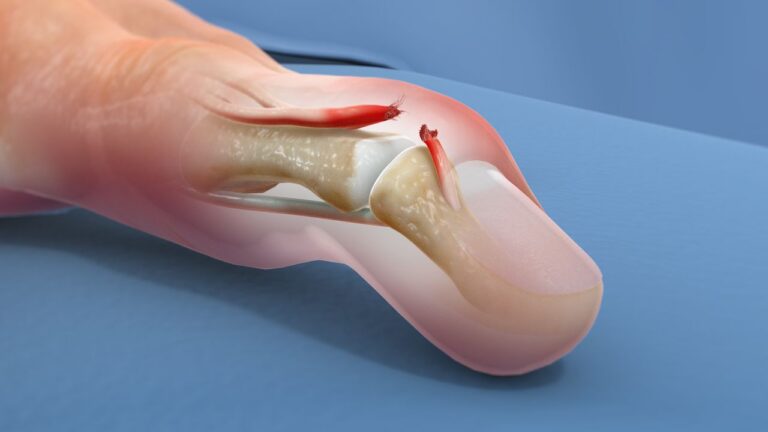
A cut tendon in the hand rarely heals well on its own, and the repair is only half the story. Tendon injury recovery depends just as much on the splint and hand therapy that follow, and most people are back to light work at around six to eight weeks, with heavier use taking three months or more. Prof. Sandip Hindocha is a consultant plastic and hand surgeon who repairs flexor and extensor tendon injuries.
What Flexor and Extensor Tendons Do
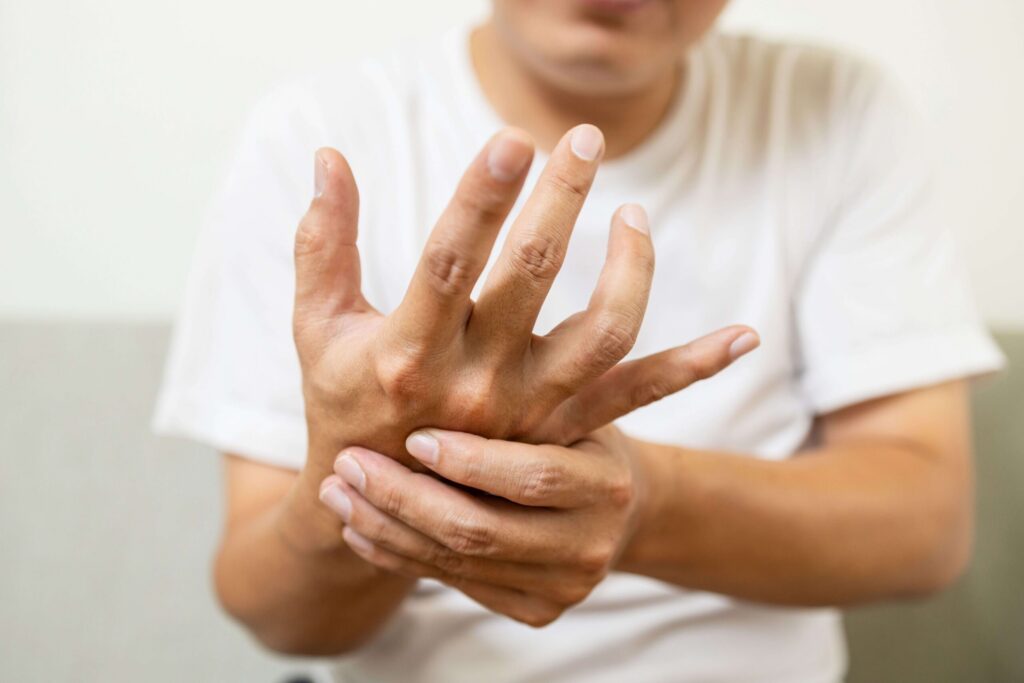
Flexor tendons run along the palm side of the hand and curl the fingers towards the palm. Extensor tendons run along the back of the hand and straighten the fingers.
Either can be cut by a wound to the wrist, forearm, palm or finger, torn by forceful sport or accident injuries, or, less often, rupture on their own in people with rheumatoid arthritis. A cut that looks small on the surface can still divide a tendon underneath.
The tell-tale sign is a finger that will not bend or will not straighten after an injury, even when the wound itself seems minor.
Why Timing Matters
Once a tendon is cut, its two ends pull apart and can become scarred in that position. The longer the wait, the harder it is to bring them back together directly.
That is why a suspected tendon injury should be seen quickly rather than left to see how the hand settles. The approach to repair depends largely on how soon it is treated.
| Approach | When it is used |
|---|---|
| Primary repair | Within days of the injury, with the cut ends stitched directly together |
| Delayed primary repair | When swelling, contamination or a late visit delay surgery, but direct repair is still possible within a limited window of weeks |
| Two-stage reconstruction | For late injuries, with a silicone rod placed first and replaced by a tendon graft months later |
What the Repair Involves
The wound is explored, the cut ends of the tendon are found, and they are stitched together with multi-strand techniques strong enough to allow early, controlled movement. Where skin or tendon is missing, a graft may be needed.
| Detail | At this practice |
|---|---|
| Surgery time | About 1 hour |
| Anaesthetic | Local or general |
| Hospital stay | Day case, with no drains |
| Splint | Six to eight weeks |
Full details of the operation are on the flexor and extensor tendon repair page.
Why the Splint and Hand Therapy Matter

A repaired tendon is mechanically sound but fragile at first. Too little movement lets scar tissue bind the tendon to its sheath, which limits how far the finger moves. Too much force risks the repair giving way.
A hand therapist manages that balance with a splint and a precise exercise programme. Wearing the splint as directed and doing the exercises exactly as taught is the biggest influence on the result after the surgery itself.
Tendon Injury Recovery Timeline After Repair
| Stage | What to expect |
|---|---|
| Week 1 | Protective splint, with a wound review and a referral to hand therapy |
| Weeks 2 to 4 | Guided movement under physiotherapy supervision, with the splint kept on |
| Weeks 4 to 8 | Splint continues to six to eight weeks, physiotherapy intensifies, light work may be possible |
| Weeks 8 to 12 | Splint stopped, with a graduated return to moderate physical work |
| After 12 weeks | Heavier manual activity as strength and movement are rebuilt |
Your own timeline depends on which tendon was repaired, how clean the injury was and what your job demands. Your therapist will adjust the programme as you go.
How Flexor and Extensor Recovery Differ
The two types of repair follow a similar pattern, but NHS hand therapy leaflets show some differences in detail. Protocols vary between units, so treat the figures below as typical rather than fixed.
| Detail | Flexor repair | Extensor repair |
|---|---|---|
| Splint | At least 6 weeks | Full-time for up to 6 weeks |
| Light activities | From about 6 to 8 weeks | From about 6 weeks |
| Driving | After 8 weeks if safe | Around 8 weeks |
| Manual work and sport | After about 12 weeks | About 10 to 12 weeks |
A flexor tendon repair leaflet from Hull University Teaching Hospitals sets out the flexor stages. For extensor repairs, a Cambridge University Hospitals leaflet notes the repair can take up to three months to regain its previous strength.
Risks and Warning Signs
The main risks are infection, stiffness from adhesions, and the repair rupturing. Some loss of movement compared with the other hand is possible, particularly when treatment was delayed.
Contact your surgical team or hand therapist promptly if you notice:
- a sudden snap or pop, or a sudden loss of finger movement
- increasing redness, heat, swelling or pain around the wound
- any new discharge, smell or feeling feverish
A tendon injury often comes with other damage. Related problems are covered under jersey finger, mallet finger and hand fractures, with the wider range listed under hand surgery.
Frequently Asked Questions
How do I know if I have cut a tendon in my finger?
The main sign is a finger that will not bend or straighten after a cut or injury, even if the wound looks small. Get it assessed quickly, because delay makes repair harder.
How soon does a tendon injury need surgery?
As soon as possible. The cut ends retract and scar over time, so repair within days gives the best chance of a direct repair and a good result.
How long do I wear a splint after tendon repair?
At this practice the splint is worn for six to eight weeks. NHS leaflets give around six weeks, so follow the exact instructions from your hand therapist.
When can I go back to work after a tendon repair?
Light work is often possible within about eight weeks, and moderate physical work at eight to twelve weeks. Heavy manual work usually waits until after three months.
Will my finger move normally after tendon repair?
Prompt surgery and careful rehabilitation give the best chance of regaining good movement, but results vary. Some reduced movement compared with the other hand is possible, especially if repair was delayed.
What if my tendon injury was missed for weeks?
Direct repair may no longer be possible. A two-stage reconstruction, using a silicone rod and later a tendon graft, can still restore useful movement but takes longer.
If you cannot bend or straighten a finger after an injury, arrange an urgent tendon assessment with Prof. Hindocha as soon as you can.
This article is for general information only and does not constitute medical advice. Individual results vary, and suitability for any procedure can only be confirmed following an in-person consultation with a qualified, registered clinician.