Most broken bones in the hand heal well in a splint or cast, but a minority need hand fracture surgery to heal straight, and it is not always obvious which group yours is in. A finger that looks twisted, a break that runs into a joint, or a wound over the break are all reasons to see a hand specialist rather than rely on A&E alone. Prof. Sandip Hindocha is a consultant plastic and hand surgeon who treats hand and finger fractures.
What Counts as a Hand Fracture
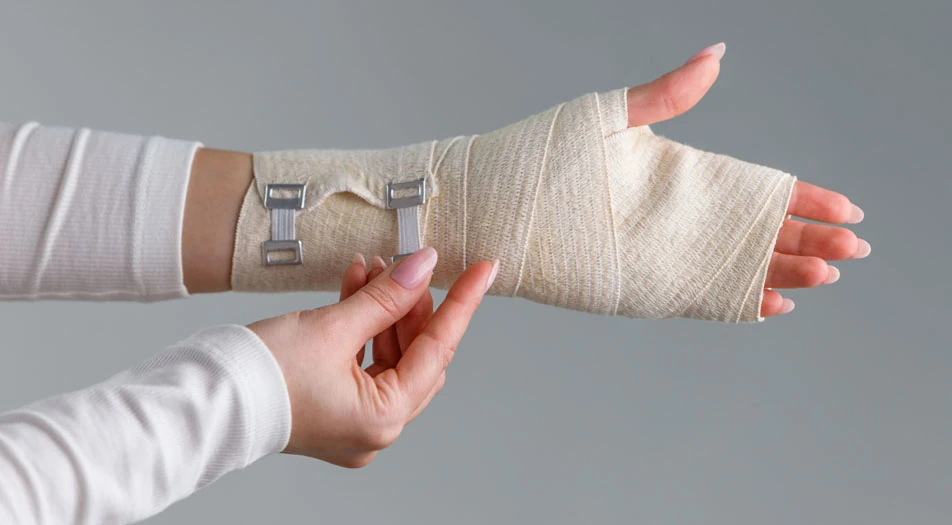
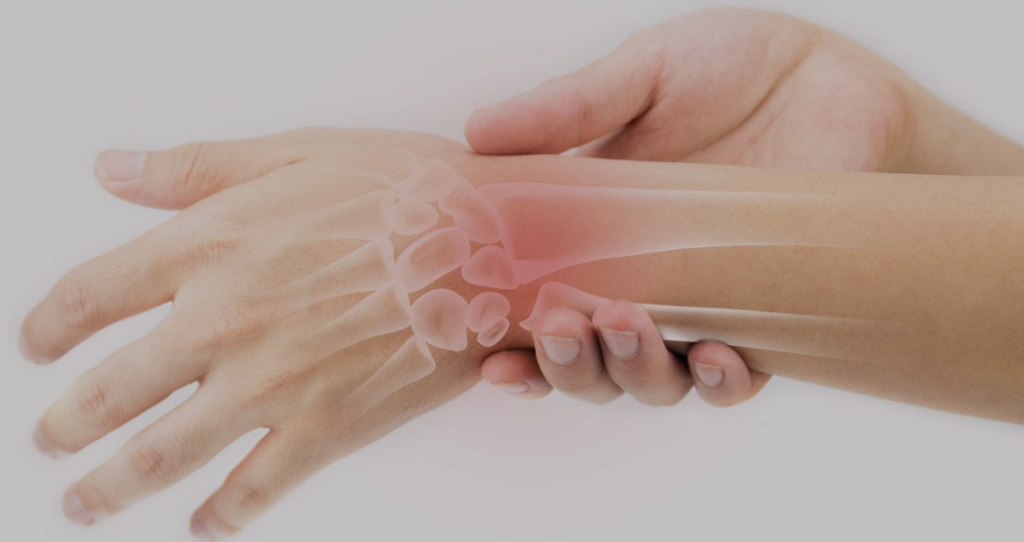
The hand and fingers contain 27 bones, and a break in any of them is a hand fracture. The usual causes are a direct blow, a fall onto an outstretched hand, a crush injury or a punch.
Pain, swelling, bruising and difficulty using the hand are the common signs. They are also the signs of a bad sprain, which is why an X-ray is the only reliable way to know.
The Most Common Types
| Fracture type | What it involves |
|---|---|
| Metacarpal | The five long bones between the wrist and the fingers, the most common hand fractures, including the boxer’s fracture of the little finger side |
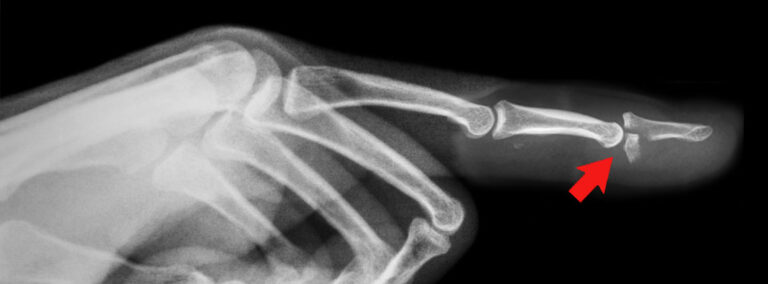
| Phalangeal | The finger bones, from simple undisplaced breaks to complex injuries running into the finger joints |
| Thumb base | Bennett’s and Rolando fractures at the thumb’s main joint, where precise alignment matters for grip and pinch |
Why A&E Is the Right First Step
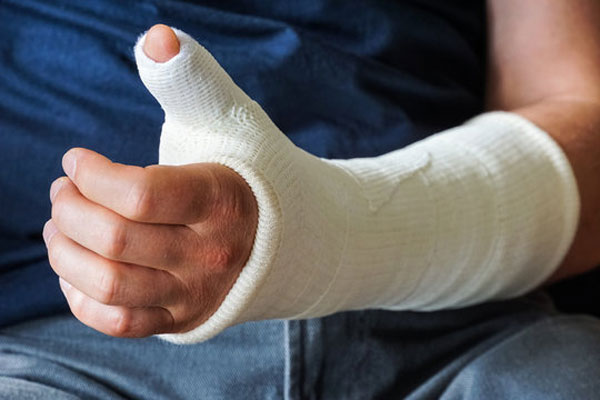
If you think you have broken a bone in your hand, getting an X-ray and a splint quickly is the right thing to do, and A&E or a minor injuries unit can do both. For many simple breaks, that is also all the treatment you will need.
The gap appears afterwards. A general emergency department treats the break, but the subtle problems, such as a slight twist in a finger, can be missed at the first visit and only show up as the swelling goes down.
Many Breaks Do Not Need Surgery
It is worth saying plainly that surgery is the exception. An NHS leaflet from St George’s Hospital on the boxer’s fracture, for example, states that most people do not need surgery for this type of injury. Treatment there is buddy-strapping the injured finger to its neighbour for the first two to three weeks, elevation and gentle exercises.
The same leaflet gives about six to eight weeks for the bone to heal, with a further four to six weeks to regain full strength. A bump on the back of the hand can take a year to settle, and some shortening of the knuckle can be permanent.
When a Splint Is Not Enough
A splint or cast cannot reliably hold some breaks in position. A hand that heals out of line can lose grip strength, change the look of the knuckles and, if a joint surface is involved, lead to arthritis later.
| Pattern | Why it may need fixation |
|---|---|
| Displaced | The bone ends are no longer lined up |
| Unstable | External support cannot keep the bone in position |
| Into a joint | A step in the joint surface risks arthritis if it heals crooked |
| Open | There is a wound over or near the break |
| Multiple breaks | Several bones of the hand or fingers are involved |
| Malunion | An earlier break healed in a poor position |
Warning Signs After a Break
Ask for a specialist opinion if, after a hand injury:
- a finger twists or crosses over its neighbour when you make a fist
- the knuckle has lost its normal shape or looks sunken
- there is a cut over the break, or the injury came from hitting someone’s teeth
- pain or stiffness is not improving after about six weeks
The wound from a punch that hits teeth is known as a fight bite, and it can become seriously infected, so it should be seen promptly. A twisted finger is called rotation, and it can be hard to spot on an X-ray, so how the finger lines up when you bend it matters.
What Hand Fracture Surgery Involves
The aim is to put the bone back where it belongs and hold it there while it heals. Depending on the bone and the break, the surgeon uses screws, plates, pins or wires. The choice is made after an examination and a discussion of the options.
| Detail | At this practice |
|---|---|
| Surgery time | About 1 hour |
| Anaesthetic | Local or general |
| Hospital stay | Day case, with no drains |
| Splint | Six to eight weeks |
Stable fixation also lets physiotherapy start earlier than with a cast alone, which matters most for breaks near joints because it reduces stiffness. Details for each injury are on the hand fracture repair page.
Recovery After Fixation
| Stage | What to expect |
|---|---|
| Week 1 | Protective splint, with a review to check the wound and the position of the fixation on X-ray |
| Weeks 2 to 4 | Splint continues, progress X-rays, and gentle movement of nearby joints under physiotherapy guidance |
| Weeks 4 to 6 | Splint stopped once healing is confirmed, with intensifying physiotherapy and light work usually possible |
| Months 2 to 3 | Strengthening continues; how much function returns depends on the break and on following the physiotherapy plan |
Your own timeline depends on the bone, the type of fixation and your job. Heavier manual work and sport come later, once strength has been rebuilt and your therapist is happy with it.
Risks to Know About
As with any operation, there are risks, including infection, stiffness, and the bone not healing in the position hoped for. Stiffness is the most common problem after hand injuries, and it is the reason physiotherapy is part of the treatment rather than an optional extra.
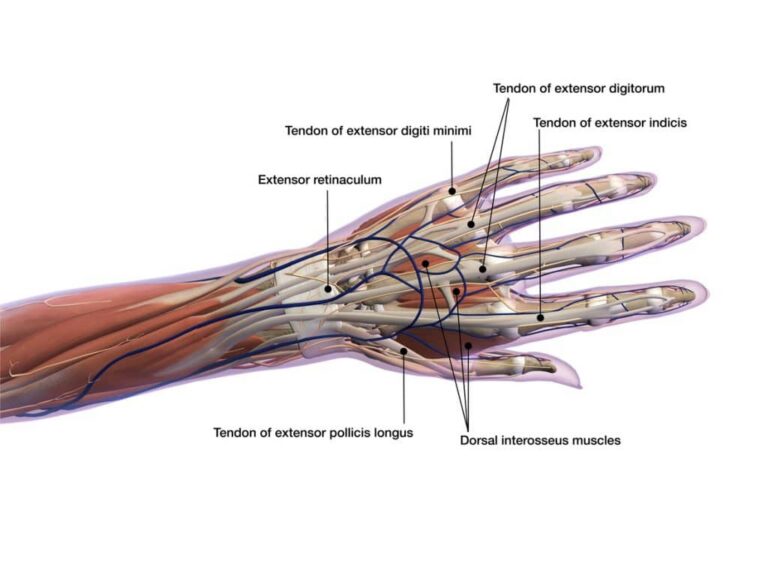
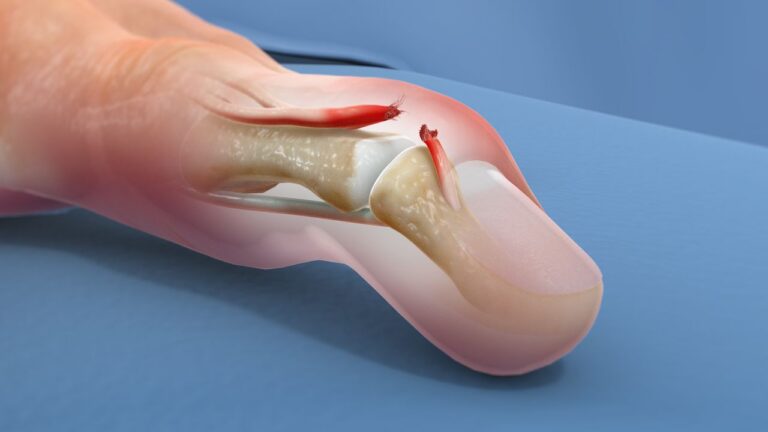
Fractures that also damage tendons or the thumb joint can need more than bone fixation. Related injuries are covered under flexor and extensor tendon injuries, mallet finger and thumb base surgery, with the wider range listed across hand surgery.
Frequently Asked Questions
How do I know if my hand is broken?
Pain, swelling, bruising and trouble using the hand after an injury are the common signs, but only an X-ray confirms a break.
Do all hand fractures need surgery?
No. Many heal well in a splint or cast followed by physiotherapy. Surgery is considered when the break is displaced, unstable, enters a joint, is open, or cannot be held in position by a splint.
Can a broken finger heal crooked?
Yes. A twist or angle that is missed at first can set as the bone heals, and it can affect grip and how the fingers line up. That is why a finger that crosses its neighbour needs checking.
How long does a broken hand take to heal?
Bone usually takes around six to eight weeks to heal, with full strength taking longer. After surgery at this practice, light work is typically possible at four to six weeks.
Is hand fracture surgery done under general anaesthetic?
Either local or general anaesthesia can be used, depending on the injury and your preference. It is usually a day case with no overnight stay.
When should I see a hand specialist after a fracture?
See one if a finger looks twisted, a joint is involved, there is a wound over the break, or pain and stiffness are not improving after a few weeks.
If you have broken a bone in your hand and are unsure whether a splint is enough, book a hand fracture assessment with Prof. Hindocha, ideally within the first couple of weeks.
This article is for general information only and does not constitute medical advice. Individual results vary, and suitability for any procedure can only be confirmed following an in-person consultation with a qualified, registered clinician.